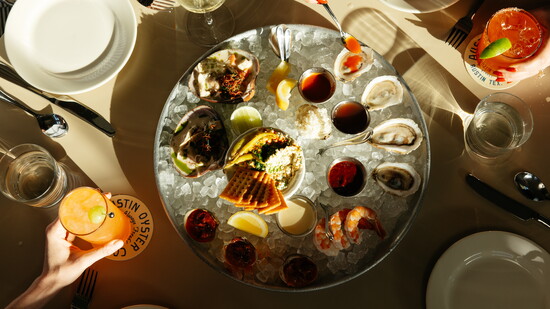
There was a time when Austin's culinary identity could be summed up in three words: tacos, barbecue, and Tex-Mex.
Those staples still define the city, but on any given evening, another scene is unfolding. Diners crowd around raw bars, martinis in hand, while trays of glistening oysters arrive over crushed ice. Before the first shell is lifted, phones come out for photos. Then come the questions: Which coast is this one from? Why does this oyster taste sweeter than the last? What's the difference between Maine and Massachusetts?
Twenty years ago, that conversation would have been rare in Austin. Today, it's becoming part of the city's dining culture.
That evolution is fueling the success of a new generation of oyster-focused restaurants, including Skipjack Oysters, Austin Oyster Co. and Bill's Oyster. While each offers its own distinct atmosphere and philosophy, all three are witnessing the same shift: Diners are no longer ordering oysters simply because they're trendy. They're ordering them because they're curious.
"I think people like to be taught about oysters," says Executive Chef Joshua Carbajal of Bill's Oyster.
That curiosity has transformed what was once considered an intimidating delicacy into one of Austin's most interactive dining experiences. Guests ask about salinity, sustainability and seasonality. They compare East Coast oysters to Gulf varieties. They return to see what's new, knowing menus rotate regularly based on harvests and availability. That appetite shows up in the numbers, too — Bill's sold nearly 900 oysters on National Oyster Day.
For Brendan Yancy, founder of Austin Oyster Co., that appetite for discovery has been years in the making.
What began as backyard raw bar pop-ups during the pandemic, when restaurants were closed and people were craving connection, grew into a business for Yancy and his wife, bringing the raw bar experience directly to backyards across Austin. The concept struck a chord almost immediately, eventually leading to appearances at Formula 1, Luck Reunion and countless private events before finding a permanent home on East Cesar Chavez Street. Along the way, one question kept surfacing from guests: "Where's the restaurant?"
Today, Austin Oyster Co. sources oysters through long-standing relationships with farmers across New England, including its own small oyster farm on the New Meadows River near Brunswick, Maine. Every oyster carries a story, from the waters where it was grown to the people who harvested it.
"It's not just about putting oysters on people's plates," Yancy says. "It's about telling that story."
That same philosophy shapes the experience at Skipjack Oysters, where Executive Chef Josh Melton has turned the restaurant's raw bar into its centerpiece. Rather than simply delivering a platter, shuckers walk guests through flavor profiles, origins and pairings, creating an experience that feels more like a conversation than a transaction.
"People are asking more questions," Melton says. "There's more foodies around."
Those questions reflect something larger happening across Austin.
As the city has grown into an internationally recognized dining destination, so have the expectations of its diners. Michelin recognition, an influx of residents from both coasts, and an ever-expanding restaurant scene have created an audience eager to explore beyond familiar favorites. Oysters, with their remarkable variety and sense of place, have become the perfect vehicle for that exploration.
Behind every shell lies a surprising amount of craftsmanship.
Unlike wine, where terroir shapes every bottle, oysters reflect the waters where they're grown. Salinity, tides, water temperature, and even algae all influence flavor, giving each region its own distinct character.
Relationships with oyster farmers, careful sourcing, sustainable harvesting practices and constant communication with suppliers all influence what ultimately lands on the menu. Weather patterns in Canada, water temperatures in Maine, and storms in the Gulf can change a raw bar's offerings overnight. The result is a menu that's never static and a product that rewards both chefs and guests for paying attention.
For Carbajal, introducing someone to oysters for the very first time remains one of the most rewarding parts of the job. He often begins newcomers with small, sweet Prince Edward Island varieties before gradually encouraging them to venture into more complex flavor profiles.
Melton takes a similar approach, starting first-timers with a mild, petite oyster and a light mignonette, believing the right introduction can turn skeptics into enthusiasts.
Yancy sees something even bigger.
For him, Austin's embrace of oyster culture reflects the same adventurous spirit that has long defined the city itself: a willingness to support passionate people, embrace new ideas and celebrate artistry wherever it's found.
Austin isn't replacing tacos and barbecue with oysters anytime soon, nor should it. The city's culinary identity has always been rooted in comfort, community and bold flavors.
But its newest fascination says something meaningful about where Austin is headed. More than a passing trend, oysters represent a city that's become increasingly curious, adventurous and appreciative of the culinary mastery behind every meal.
"It's not just about putting oysters on people's plates. It's about telling that story... Where they came from, who farmed them. Guests don't just want great seafood anymore. They want to understand what's on the shell." - Brendan Yancy