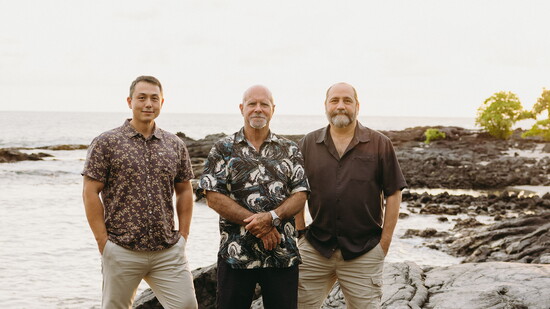
Tad Nottage's path to becoming one of Kona's most trusted insurance advisors wasn't exactly straightforward. Before entering the industry in 1990, he was an entrepreneur and inventor—he created the insulated fish bags you'll find on boats throughout Hawai‘i today. But it was a personal turning point in 1993 that truly shaped his approach to business. That year, Tad threw himself into building relationships and serving clients with a level of care that bigger agencies couldn't match.
When Hurricane Iniki forced First Insurance Company of Hawai‘i to downsize, Tad saw an opportunity. By 2000, he'd founded Aloha Insurance Services with just three employees. Today, his team of 20+ helps families and businesses across the Big Island. Protecting your home in paradise requires local knowledge that mainland agents simply don't have.
What surprises people most about insuring a home on the Big Island?
Location changes everything. Many families fall in love with a property, then discover it's in a lava zone. That beautiful dream home suddenly comes with higher costs and limited coverage options. I always tell people, talk to an insurance agent before you fall in love with a place, not after you've made an offer.
How can homeowners avoid overpaying?
When your mortgage company arranges insurance, they often insure the full purchase price, which is much higher than the actual replacement cost. You're paying for coverage you'll never collect on.
What did the Lahaina fires teach us about protecting our homes?
Insurance companies now assess wildfire risk differently. They look at proximity to fire hydrants and fire stations. A home in downtown Kona gets significantly better rates than one in a remote area. If you're on catchment water, companies want at least 10,000 gallons in your tank.
Do we really need hurricane coverage on the Big Island?
After Iniki, most companies separated hurricane coverage from standard policies. Your regular homeowners policy covers wind up to 73 mph—anything beyond that needs separate hurricane insurance. Many cash buyers skip it, thinking the mountains will always push storms away. But scientists say it's not if, but when.
Why work with one agent for all your insurance needs?
You don't want your car with one agency, your homeowners with another, and your hurricane coverage with another. When a claim happens, who do you call? With everything under one roof, you have one advocate who understands your complete picture and can spot coverage gaps.
What's your philosophy on customer service?
Answer the phone. Return emails. If I say I'll call, I call. Even if I don't have your answer yet. My team advocates for our clients, not insurance companies. When disaster strikes, you need someone who picks up.