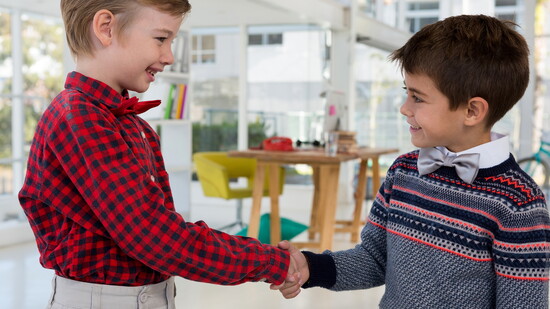
Children are not born with manners, gratitude, or social confidence. These are gifts we teach them—little by little, day by day—through the examples we set and the traditions we create.
In today's world, where screens often compete with face-to-face conversation and schedules seem busier than ever, teaching etiquette can feel old-fashioned. Yet I believe good manners are more relevant than ever! They are not about creating miniature aristocrats or enforcing rigid rules. At their heart, manners are simply about helping children navigate the world with kindness, confidence, and respect for others.
We often spend so much time correcting behavior that we forget to explain why manners matter in the first place. When a child learns to look someone in the eye, offer a warm greeting, or write a thank-you note, they aren't just being polite—they are learning how to make another person feel seen, appreciated, and valued.
And that is a lesson that never goes out of style.
The Three Essentials
If I could choose only three etiquette lessons for every child, they would be gratitude, table manners, and confident greetings.
First, gratitude.
This can begin surprisingly early. As soon as a child is old enough to hold a crayon, encourage them to create a simple thank-you note for someone who has given them a gift or shown them kindness. Today's scribble becomes tomorrow's sentence and eventually a heartfelt note.
As a grandmother, I treasure every one of these little creations. I display them proudly in my kitchen so my grandchildren can see how much their effort means to me. Children quickly learn that people enjoy being appreciated—and that gratitude is a gift that works both ways!
Second, daily table manners.
The family dinner table remains one of life's greatest classrooms.
It is where children learn patience, conversation, consideration, and the simple beauty of shared rituals. Whether you're serving a holiday feast or takeout pizza, there are opportunities to teach valuable lessons: placing a napkin in their lap, waiting for others before beginning, helping clear the table afterward, and thanking whoever prepared the meal.
If a child can comfortably navigate the family table, they can confidently navigate almost any room they enter.
Third, a confident greeting.
Teaching children to look someone in the eye, smile, and offer a greeting is one of the greatest gifts we can give them.
Some children are naturally outgoing. Others are shy. But confidence is a skill that can be practiced! A child who learns to greet others warmly develops an ease with people that will serve them throughout school, careers, friendships, and life itself.
Manners in the Screen Age
In an increasingly casual and digital world, traditional manners have become something of a quiet superpower.
The child who can put down a device, engage in genuine conversation, maintain eye contact, and speak with poise immediately stands out. These skills communicate confidence, maturity, and respect in ways that technology never can.
True social grace becomes an invisible armor—one that protects and strengthens children as they move through life.
Making Manners Magical
One of my favorite ways to teach etiquette has nothing to do with lectures or correction.
Instead, I turn it into a game.
When my grandchildren visit, especially when their parents are enjoying an evening out, I love to host what I call a Guest of Honor Dinner.
We clear away the everyday clutter, light candles, set the table with care, and imagine that we are hosting someone extraordinary. Perhaps it's a king or queen. Maybe it's a famous astronaut. Sometimes it's Taylor Swift!
Suddenly, manners become magical.
Children sit up straighter. They practice passing dishes properly. They wait their turn to speak. They engage in conversation and eagerly demonstrate their best behavior—not because they're being told to, but because they are fully immersed in the fun of the evening.
We bring out the "good things" too: linen napkins, silver cups, crystal glasses. Why save them for special occasions? Using beautiful things tells children they are important enough to celebrate right now.
One of our favorite traditions comes at the end of the meal. Each child gets to choose a candle to blow out and make a wish. If there aren't enough candles, I simply relight them. More candles mean more wishes, after all!
Even better, at the next family meal, they proudly demonstrate their newly acquired skills for their parents. The lesson sticks because the experience is joyful!
The Most Important Rule
If there is one secret to raising gracious children, it is this:
Children rarely do what we say, but they almost always do what we do.
They watch how we treat restaurant servers, greet neighbors, express gratitude, and speak about others.
The most effective etiquette lesson is the one we model ourselves.
When kindness and consideration become part of daily family life, manners stop feeling like rules and start becoming habits.
In the end, etiquette is not about perfection. It is about helping children become thoughtful, confident, and compassionate people. When we teach them how to make others feel valued, we give them a gift that will serve them for the rest of their lives.
True social grace becomes an invisible armor—one that protects and strengthens children as they move through life.
As soon as a child is old enough to hold a crayon, encourage them to create a simple thank-you note for someone who has given them a gift or shown them kindness.