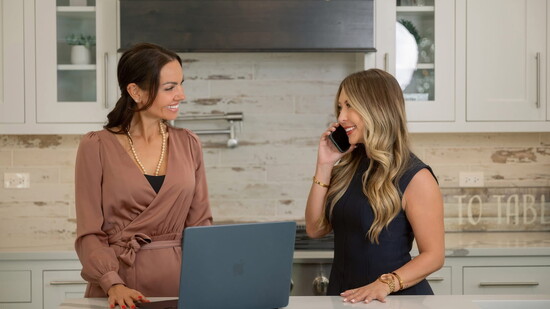
In a world that rarely slows down, the meaning of home has quietly evolved. It is no longer defined simply by square footage, finishes, or address. Today, home is measured by how it feels—the moment you step inside and the way your body responds. For Randi Lynn Quigley, founder of The Randi Lynn Group and an eXp Luxury Agent, this shift is unmistakable.
“Life moves fast now. Faster than ever,” she says. “Because of that, home has become a place of rest and peace. It’s where you reset and recover from life.” In an always-on culture, home has taken on a deeper role—one rooted in calm, grounding, and emotional safety. “Home should feel comforting and safe in a world that never stops,” she adds.
That sense of sanctuary is what separates a truly personal home from one that is simply impressive. While luxury finishes and statement design may capture attention, Randi Lynn believes lasting fulfillment comes from how a home supports daily life. “Location and accessibility matter more than ever,” she explains. Proximity to work, schools, family, and everyday essentials quietly shapes how a home feels over time, often more than any visual detail.
Inside the home, intention is everything. Natural light, thoughtful layouts, and spaces that flow effortlessly create an environment that feels easy to inhabit. “The most personal homes are the ones that support everyday life,” she says. These are homes that don’t ask to be admired, but lived in—where movement feels natural and routines unfold without friction. Even subtle design elements, from window placement to room transitions, can influence well-being in ways buyers feel instinctively, even if they can’t immediately explain why.
Helping clients recognize that emotional alignment is central to Randi Lynn’s approach. Rather than leading with features or market metrics, she starts by listening. “I ask hard questions,” she says. “I want to understand how my clients live, what they value, and what truly matters to them.” From there, she helps buyers imagine their real, everyday lives within a space—where they’ll gather, where they’ll retreat, where they’ll work, and where they’ll unwind.
“When buyers can picture themselves living their daily life in a home, it becomes more than a purchase,” she explains. “It becomes personal.” That emotional connection often arrives quietly, through comfort and flow rather than spectacle. “A home needs to feel easy the moment you walk in,” Randi Lynn says. “Flow matters because it affects how the home functions and how it feels day to day.”
Design, in her view, should enhance comfort—not compete with it. When spaces transition naturally and light moves thoughtfully throughout a home, a sense of peace follows. “When a home flows well, people instantly connect with it,” she says. It’s that harmony between aesthetics and livability that defines true luxury—spaces that calm rather than impress, and support rather than overwhelm.
This philosophy extends seamlessly into how she advises sellers. Rather than encouraging personalization, she urges restraint. “Create a neutral but inviting space,” she recommends. “The goal is warmth, while still allowing buyers to imagine themselves there.” Homes that feel clean, calm, and timeless appeal across lifestyles and generations, offering emotional accessibility rather than distraction.
At its heart, Randi Lynn’s perspective is deeply human. “Home is comfort and safety,” she reflects. “It’s a place where you can relax, unwind, and be yourself.” Beyond aesthetics or amenities, home’s greatest value lies in the quiet moments—the ease at the end of a long day, the feeling of lightness that comes from being truly at peace.
“Home should support you,” she says. “It should bring you calm and make life feel just a little lighter.” And when it does, a house becomes something far more enduring than a beautiful space—it becomes a sanctuary.
Sidebar: What Makes a Home Feel Personal?
For Randi Lynn Quigley, personalization goes beyond finishes and floor plans. “Location and accessibility matter more than ever,” she says, emphasizing proximity to schools, work, family, and daily conveniences. Inside the home, livability takes priority. “Natural light, thoughtful layouts, and spaces that flow naturally make a difference,” she explains. Design should never overpower how a home feels. “Design should enhance comfort, not distract from it.” The homes that resonate most deeply are not the most elaborate, but the most livable. As Randi Lynn puts it, “The most personal homes are the ones that support everyday life and feel easy to live in.”