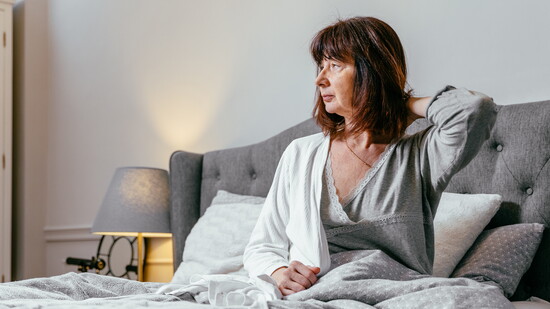
For thousands of New Jersey residents, exhaustion has become a way of life. Long commutes, high-pressure careers and always-on family schedules leave many running on empty—often without realizing that poor sleep is quietly undermining their long-term health. What looks like simple fatigue can be something far more serious: untreated sleep disorders that raise the risk of heart disease, cognitive decline and dementia.
I never expected to become a sleep-health advocate. Like millions of Americans, I trusted a health care system that too often treats test results instead of people. I lived with disrupted sleep for years—long before sleep became a trending wellness topic—without understanding that the roots of my struggle traced back decades.
At 15, after years of braces, retainers and jaw pain, I underwent temporomandibular joint (TMJ) surgery. The procedure relieved the pain and gave me a perfect bite—at least temporarily. What no one explained was how altering jaw structure can affect the airway. There was no rehabilitation plan, no long-term follow-up. I was told to smile and move on. A slow relapse was already underway.
Years later, after persistent snoring and breathing difficulties, I finally had a sleep study. At 50, I learned I had obstructive sleep apnea, a condition in which the airway repeatedly collapses during sleep, briefly stopping breathing throughout the night. The diagnosis came by voicemail. No one explored why my airway was compromised. There was no discussion of my surgical history or how jaw structure, nervous system function and breathing patterns interact. The solution was a single checkbox: CPAP.
That moment changed everything. If no one was going to connect the dots, I would. What began as a personal health mission became a deeper education in advocacy—because every healing journey is individual, not one-size-fits-all.
A Public Health Crisis Hiding in Plain Sight
March is both World Sleep Day and National Sleep Awareness Month, yet sleep deprivation remains one of the most overlooked public health threats. A Harvard analysis of national data estimates that poor sleep costs the U.S. economy $280 billion to $411 billion each year through lost productivity, medical expenses, accidents and chronic disease. Individuals with untreated sleep disorders can incur more than $7,000 in additional annual health care costs.
The personal consequences run deeper than finances. Research consistently links chronic sleep disruption to serious medical conditions, including heart disease, stroke, diabetes and obesity. Sleep loss also impairs memory, emotional regulation and decision-making.
Most concerning, large-scale studies show that people with obstructive sleep apnea face a 43% to 45% higher risk of developing Alzheimer’s disease and other forms of dementia. Multiple systematic reviews confirm a strong association between sleep-disordered breathing and long-term cognitive decline. Poor sleep is no longer a nuisance—it is a neurological risk factor.
By the Numbers
According to the 2025 National Sleep Foundation Sleep in America® Poll:
-
60% of adults do not get the recommended amount of sleep.
-
68% report difficulty falling asleep, and 70% struggle to stay asleep.
-
50% give themselves a failing grade for sleep satisfaction.
Poor sleep is no longer the exception. It is the norm.
Why the System Misses the Root Cause
My first sleep doctor saw a score, not a system. There was no assessment of airway anatomy, jaw history or nervous system function. Emotional responses to medical devices were never discussed. That experience pushed me to build my own integrative care team and study the full-body nature of sleep health.
Airway health is whole-body health. Nasal passages, tongue posture, jaw alignment and the autonomic nervous system work together. A narrow airway does not just cause snoring—it disrupts oxygen flow, stress hormones and brain function night after night.
Dentists trained in airway-focused care and myofunctional therapists look beyond a sleep score. They evaluate mandibular positioning, tongue posture, bite alignment and mouth-breathing habits that contribute to airway collapse. This is not cosmetic medicine. It is respiratory health.
Putting Control Back in Patients’ Hands
Medical care is essential, but daily habits matter. Regulating the nervous system improves sleep quality and complements clinical treatment.
-
Breathwork: Slow, diaphragmatic breathing activates the body’s relaxation response and reduces nighttime stress hormones.
-
Consistent routines: Regular bed and wake times stabilize the body’s internal clock.
-
Guided relaxation: Techniques that reduce muscle tension are especially helpful for people who clench or grind their teeth, a common unconscious response to restricted airflow.
As a certified Havening Techniques practitioner, I teach self-regulation tools that calm the brain and promote restorative sleep states. Many clients report falling asleep faster, waking less often and feeling more rested because they are addressing nervous system safety, not just their mattress.
Why This Matters Now
Sleep is not a luxury to be earned after everything else is done. It is biological maintenance for the brain and body. When we ignore chronic exhaustion, we trade short-term productivity for long-term cognitive risk.
For New Jersey families balancing demanding careers, long commutes and full schedules, this conversation is urgent. Protecting sleep today protects memory, focus and independence tomorrow.
Rest is not weakness. It is wisdom. When we treat sleep as essential—rather than optional—we reclaim not only our nights, but our long-term brain health.
About Hilary Russo
Hilary Russo is a Bergen County–based trauma-informed holistic practitioner, health coach, journalist and international speaker. She is one of only 50 certified Havening Techniques trainers worldwide and hosts HIListically Speaking, a top-rated podcast on holistic health, wellness and neuroscience. Connect with her at hilaryrusso.com or @hilaryrusso on social media.