By the time August rolls around, many parents notice it. Math facts feel fuzzier. Reading stamina shrinks. Writing becomes a battle. The phenomenon even has a name: the “summer slide,” a well-documented learning loss that can happen when children spend months completely disconnected from academics.
But educators say preventing it does not require turning summer into school. In fact, the most effective strategies often look nothing like homework packets.
“The key is making learning feel fun and natural,” says Pauleen Walsh, a kindergarten teacher at The Weiss School in Palm Beach Gardens who has spent the last 25 years working with young learners. “By making math a fun part of your summer routine, you can help your child stay sharp and confident for the next school year.”
Read What They Actually Want to Read
Summer reading often works best when children are allowed to choose material that genuinely interests them. Graphic novels, joke books, sports magazines, comic collections, fantasy stories, and even cookbooks all help strengthen literacy skills.
For younger children, reading aloud remains especially important. Hearing expressive storytelling and richer vocabulary helps build comprehension and language development long before formal academics begin again in the fall.
Turn Everyday Life Into Learning
According to Walsh, some of the strongest learning opportunities happen during ordinary family activities.
“Involve your child in everyday math,” she says, “like measuring ingredients while cooking, estimating distances on road trips, or budgeting for a family outing.”
Cooking introduces fractions and sequencing. Grocery shopping builds estimation and number recognition. Card games and board games quietly reinforce problem-solving, memory, and strategic thinking.
Walsh also encourages families to “play math games together, such as card games, board games, or online math challenges,” noting that children often learn best when they are relaxed and engaged.
Keep Curiosity Active
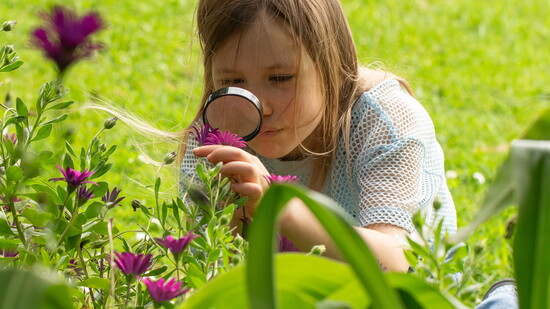
Experts say intellectual engagement during summer matters far more than rigid worksheets or excessive structure. Museums, libraries, science centers, aquariums, and even nature walks all help children continue developing observation skills and critical thinking.
Walsh recommends visiting local libraries to explore “math-themed books and puzzles” and encouraging children to keep simple journals where they can “record interesting math facts or solve a problem each week.”
Just as important, educators increasingly stress the value of imaginative play and even boredom. Unstructured time helps children develop creativity, resilience, negotiation skills, and independent thinking.
Balance Technology Thoughtfully
Educational apps can be helpful in moderation, especially when they feel interactive rather than repetitive. Walsh recommends families “explore educational apps and websites that make practicing math skills engaging and interactive,” while also encouraging students to continue using tools already familiar to them during the school year.
Still, many educators caution that hands-on experiences remain the most meaningful form of learning for younger children.
Keep Summer Joyful
Experts agree the goal is not to recreate the classroom at home. Summer should still feel like summer.
A child building sandcastles is experimenting with engineering. A lemonade stand teaches entrepreneurship and math. A family board game night reinforces strategy and communication. Even helping measure ingredients for popsicles or counting seashells at the beach can quietly strengthen foundational skills.
“The summer slide” may be real, but so is the power of curiosity, creativity, and connection.
And often, the best learning happens when children barely realize they are learning at all.