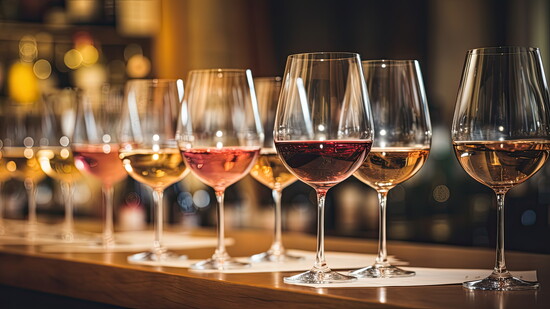
The language of wine is complicated. You know what you like, but it’s difficult to describe. If your Old Reliable isn’t available or you want to explore a new label, how can you express your preferences for an informed waiter or shopkeeper? With approximately 6,000 species of wine grapes, it’s critical to simplify this conversation into its base components: style, aroma/taste, body, acidity and tannin.
Style: Know the style of wine you like. Refers to the color, grape, region, dryness or blend you enjoy. Explore and have fun, but be specific.
Aroma and taste: Aroma and taste are intertwined; aroma is a prelude to taste. Flowers, fruits, nuts, herbs, spices and more waft from the glass. Notice what you smell and taste, then describe it in your words. Do you like red fruit or black? Orchard fruits like apples, pears, peaches? Spices and vanilla? Do you like mushrooms, forest floor, funky notes?
Body: This is the weight of the wine in your mouth. A simple way to understand the body is to use milk as a comparison point: light body wines have the consistency of skim milk; medium body wines are like whole milk; full body wines are similar to cream.
Acidity: Acidity is a critical characteristic of wine. There’s a simple trick to determine a wine’s acid. Swirl the wine in your mouth, swallow, and lean forward with your mouth closed. Count the seconds that saliva pools in the front of your mouth: one to two seconds is light acid; three to four is medium; five or more seconds is a high acid wine.
Tannin: Tannins are in all red wines, as well as “skin contact” white wines, and they come primarily from the skin and seeds. Tannin adds structure and body to the wine, and causes tactile sensations in the mouth. Tannin is assessed by bitter notes in the mouth, as well as leathery sensations on the gums, roof of mouth and back of tongue. Low tannin leaves a sensation on the front of teeth and gums. Medium tannin is felt on the lips, back of teeth, roof of the mouth and tongue. High tannin is felt all around the mouth, including cheeks.
The great thing about wine is that the learning never ends, and it’s delicious along the way. When you describe wine using the tools above, your local wine shop expert can help, and you can venture into new sections on the wine card in any restaurant. Cheers!
Unlocking the Secrets of Wine
Wine has been the beverage of choice for over eight millenia, the original ‘grab and go’.
If you’d like to better understand the wine you enjoy, create a cheatsheet on your notes app or notepad. Write down what you notice, using the terms in the article to guide you. If they don’t work, choose terms that make sense to you!
Think about what you enjoy. Does it change with the seasons or with foods you eat? Don’t worry about following “tried and true” rules; have red with fish, white with a steak, sparkling at any time with anything! Patterns will emerge, and you will find that your grasp of the language of wine improves.
If you'd like to learn more, follow Anna on Instagram @SommethingFun. Take your learning one step further: schedule an in-home tasting to learn more and test your burgeoning wine knowledge.