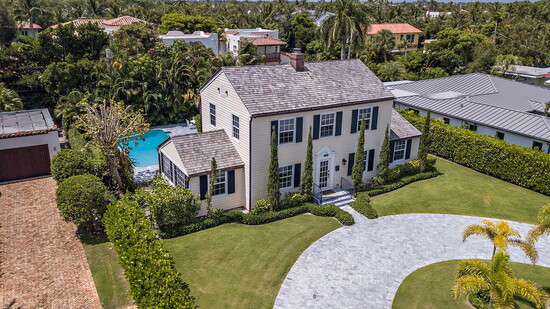
You arrive late in the afternoon. The lights are already on. Coffee is set for the morning. There’s no scavenger hunt for paper towels or mental checklist of errands you forgot to run. You’re in — and you can settle.
That feeling, Rebekah Converti-Boley says, is intentional.
Rebekah entered the vacation rental world in 2020 after noticing a persistent disconnect: homes that photographed beautifully online but felt unfinished in real life. Beds looked good but didn’t sleep well. Kitchens were understocked. Maintenance lagged behind expectations — even at the luxury end of the market.
Together with her partner, Kelly Kirkpatrick, she founded Hotel Home Stays around a simple idea: vacation homes should operate with the same care and consistency as a well-run hotel, without losing the comfort and privacy that make a home appealing in the first place.
That approach has found traction in Palm Beach County, where demand continues to rise and options remain limited. Vacation rentals are still not permitted on the island of Palm Beach, pushing visitors into West Palm Beach or hotels that are often fully booked during season. Many guests arrive accustomed to spending $20,000 to $40,000 a month on accommodations — and they expect the homes they rent to meet that standard.
Design That Earns Its Keep
In Palm Beach, design signals value. Rebekah is pragmatic about it. Homes need to look and feel like what guests expect to arrive to, with a clear Palm Beach sensibility and a cohesive aesthetic throughout. Not personal taste — market reality.
Function matters just as much. How many people a home can comfortably host directly impacts performance. Families gravitate toward homes because hotels simply don’t work well with kids. Anyone who has traveled with children understands that immediately.
Hotel Home Stays homes are set up accordingly: fully stocked kitchens, cribs and high chairs available, furnishings chosen to be durable as well as attractive, and privacy built in. No shared walls. No hallways. Guests can actually live in the space.
The Things You Don’t Have to Think About
The experience is shaped by details that remove friction. Bathrooms feel finished rather than functional, stocked with Paul Mitchell Signature shampoo and conditioner and eucalyptus-scented body washes. Thick towels are already laid out. In the kitchen, coffee is handled — Nespresso pods alongside Starbucks drip coffee, with teas, sugar, and creamers ready to go.
Supplies are generous. Dishwasher detergent, laundry detergent, trash bags, paper towels — all fully stocked. Pool towels are provided. In many homes, robes are already hanging. Guests staying a few nights shouldn’t need to run to the store unless they want to.
Kitchens are designed to be used. Every home includes a full bar setup — shakers, strainers, stirrers, glassware for indoors and out — and enough cookware and serving pieces to host a real meal.
“Kitchens are stocked to the point where you could cook Thanksgiving dinner,” Rebekah says. “That’s our standard.”
Behind the Scenes
Operationally, the homes are run with discipline. All linens, including duvets and mattress protectors, are professionally cleaned offsite. Between stays, each home undergoes a rigorous reset, including a more than 200-point inspection before any guest arrives.
“No one walks into a house we haven’t personally gone through,” Rebekah says. “That’s non-negotiable.”
If something goes wrong during a stay, support is straightforward. Guests have access to 24-hour customer support. Middle-of-the-night issues are rare, but they’re handled immediately, with follow-up addressed first thing the next morning.
What guests aren’t handed is a long checkout list. After paying a cleaning fee, many travelers expect chores. Here, checkout is intentionally simple: start the dishwasher if needed, turn off the lights, lock the door. Linens and towels stay put.
Housekeepers prefer it that way. Linens are inspected on the beds, where stains are easier to identify and track. Everything is treated, washed, and rechecked methodically. Guest participation usually complicates the process rather than helping it.
Optional, Not Overwhelming
For guests who want to personalize their stay, options are available — grocery delivery, childcare equipment, private chefs, hibachi nights, catered dinners, yoga sessions, balloon installations, celebration décor, curated gift baskets. Rental cars can be delivered before arrival. Everything can be arranged quietly in advance.
And for guests who don’t, the house already works.
“Everything is available,” Rebekah says, “but nothing is required.”
Why Sleep Matters
One area Rebekah refuses to compromise on is sleep. Every bed includes a high-quality mattress, a three-inch feather topper, Egyptian cotton sheets, feather duvets, and a mix of pillow types.
She personally stays in the homes to test them.
“You don’t actually know a space until you’ve slept in it,” she says. “If something disrupts rest, it gets fixed.”
What Home Looks Like Now
Each Hotel Home Stays property is uniquely designed, but none feel accidental. Furnishings are updated regularly, outdoor spaces refreshed, and wear addressed as it appears. If a home ever differs from its photos, Rebekah says, it’s because it’s been improved.
Damage insurance is included with every stay so accidents can be handled without drama. Things break. Spills happen. The focus is always on resolution, not blame.
Rebekah sees this approach as part of a broader shift in how people travel — especially in Palm Beach County. Guests aren’t just looking for somewhere to sleep. They want a place that supports daily life, even temporarily.
In that sense, home is no longer just where you live — it’s how you live, even when you’re away.
Kitchens are stocked to the point where you could cook Thanksgiving dinner. That’s our standard.