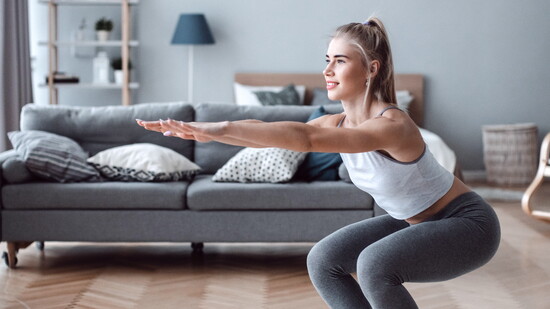
As a physical therapist who also works in sports performance, I often remind patients and athletes that effective training doesn’t require fancy machines or a gym membership. With smart exercise selection and a bit of creativity, your home can become a powerful training environment.
The Power of Bodyweight Training
Bodyweight exercises are the foundation of any solid home program. They teach you to control your own body, improve joint stability, and develop functional strength that carries over to daily life and sport. Classic movements like squats, lunges, push-ups, planks, and glute bridges can be scaled up or down depending on ability. Tempo changes, single-leg variations, and pauses increase difficulty without adding load. From a rehab and performance standpoint, bodyweight work is ideal for reinforcing proper movement patterns while minimizing injury risk.
Turning Household Items Into Exercise Equipment
Most American homes already contain useful “training tools.” A sturdy chair or couch can be used for step-ups, split squats, triceps dips, or elevated push-ups. Towels double as sliders for hamstring curls or core work on hardwood or tile floors. A backpack loaded with books becomes a weighted vest for squats or lunges. Gallon water jugs work well for carries, rows, or overhead presses. For a lighter weight, you can even use canned goods, bottles or even office equipment if a larger jug is too heavy. Even stairs can be used for conditioning, calf raises, and unilateral leg strength.
Simple, Affordable Gear Worth Buying
A few inexpensive items can greatly expand your home program. Resistance bands are versatile, portable, and joint-friendly—perfect for rows, presses, lateral walks, and rotator cuff work. Foam rollers support recovery which is crucial for consistency and injury prevention. A basic exercise mat adds comfort for floor work, while a jump rope provides an efficient cardiovascular option.