For years, Texas wine carried a reputation as more of a novelty than a destination. Outside of Fredericksburg and a handful of tasting rooms scattered throughout the Hill Country, many consumers associated Texas wineries with sweet wines, small local crowds, and weekend bachelorette trips.
Over the last twenty years, however, the industry has quietly undergone a transformation.
Today, Texas ranks as the fifth-largest wine-producing state in the country, with eight established American Viticultural Areas (AVAs) stretching from the Hill Country to the High Plains. More importantly, wineries throughout the state have significantly elevated both the quality of their wines and the overall visitor experience.
Modern Texas wineries now look far different than the tasting rooms many people remember from the early 2000s. Across the state, owners have invested heavily in architecture, private event space, and elevated tasting experiences designed to attract travelers looking for more than simply a quick wine flight.
And increasingly, those travelers are coming.
Fredericksburg has become one of the country’s fastest-growing wine tourism destinations, with luxury hotels, curated wine trails, and upscale tasting rooms reshaping the perception of Texas wine country.
At the same time, the wine itself continues to improve.
While many wineries remain dependent on grapes grown in the Texas High Plains AVA near Lubbock—which still accounts for the majority of Texas grape production due to its elevation, climate, and dramatic day-to-night temperature swings—wineries are becoming less reliant on imported California fruit than they once were.
Instead, producers are leaning into varietals that thrive naturally in Texas conditions.
Grapes like Tempranillo, Grenache, Mourvèdre, Roussanne, Viognier, and Tannat have proven successful in Texas soils and heat, allowing wineries to produce wines that feel less like attempts to imitate Napa Valley and more like authentic expressions of Texas terroir.
Estate-grown wines are becoming more prominent as well, especially among smaller wineries looking to establish distinct identities and showcase regional character.
For travelers looking to explore the evolving Texas wine scene, there is no shortage of hidden gems, not only in Fredericksburg, but throughout the state. Here are five wineries worth adding to your list:
Edge of The Lake Winery (Valley View, TX)
This award-winning winery, located on Lake Ray Roberts, offers great views and a relaxed tasting experience.
- Must-try red: Estate Grenache Reserve
- Must-try white: Texas Hog Wash Rose
Parr Vineyards (Mason, TX)
An estate-driven winery blending European inspiration with bold wines rooted in character.
- Must-try red: 2019 “Celebration”
- Must-try white: 2024 Viognier
Spicewood Vineyards (Spicewood, TX)
A Hill Country staple, Spicewood combines polished hospitality with beautifully maintained grounds.
- Must-try red: Estate Tempranillo
- Must-try white: Sammy’s Sparkling
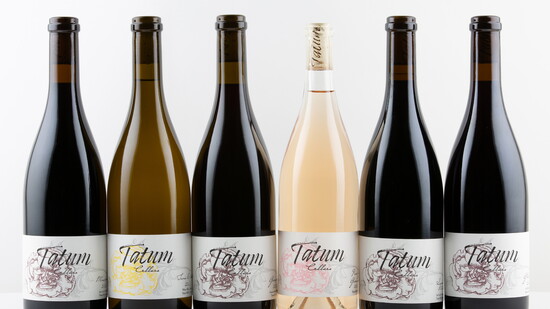
Tatum Cellars (Johnson City, TX)
Built around single-vineyard wines, it offers an honest expression of Texas-grown fruit.
- Must-try red: 2020 Mourvèdre
- Must-try white: 2024 Trois Étoiles
Fly Gap Winery (Mason, TX)
A winery uniquely dedicated to highlighting the soil and winemaking spirit in Mason County.
- Must-try red: Tallent Vineyards Barbera
- Must-try white: Spiller Mine Vineyard Syrah Blanc
As Texas wine continues evolving, that evolution is exactly what makes the experience compelling. The industry no longer feels like it is trying to become “the next Napa.” Instead, it is slowly becoming something far more authentic—distinctly, confidently Texan.
Michael Kane is a Texas-based writer, financial advisor, and wine enthusiast whose work explores the intersection of wine, finance, and human connection. He’s the author of the upcoming book Decanted Wisdom.