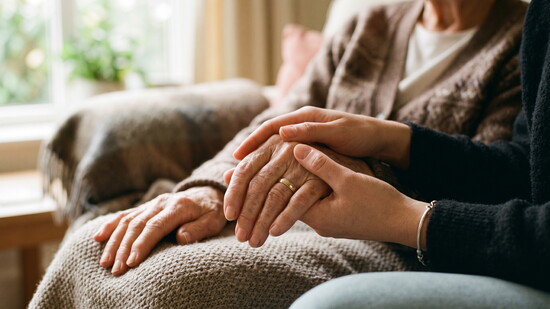
There is something beautiful about a life well lived.
It is found in the photographs tucked into albums, the stories told around the dinner table, the friendships that have lasted for decades, and the memories that still bring a smile years later. It is found in the countless ordinary moments that become extraordinary simply because they were part of a life.
Gratitude can be easy to overlook. We often think of it as something we practice around Thanksgiving or write about in a journal, but researchers have been studying what happens when gratitude becomes part of the way we see our lives.
Studies of older adults have found that people who practice gratitude tend to report greater happiness, stronger emotional well being, and better cognitive health. While gratitude is certainly not a magic formula for healthy aging, these findings suggest that taking time to appreciate the good things in our lives may be good for more than just our outlook. It may be one small way of caring for ourselves as we grow older.
So what does practicing gratitude actually look like?
It can mean taking a few minutes to think about three things that went well that day. It can mean calling an old friend and telling them what their friendship has meant to you. It can mean looking through family photographs, remembering a favorite trip, writing down a story for your grandchildren, or simply pausing over your morning coffee and appreciating the life you have built.
Creating a fulfilling life as we grow older means being intentional about the environment around us. Whether that means staying in a longtime home, downsizing, moving closer to family, or exploring a retirement or senior living community, the right setting can make it easier to stay connected, active, and engaged. When considering a new place to call home, look beyond the building itself. Consider the people, activities, opportunities for connection, access to the things you enjoy, and the kind of support that may make everyday life easier.
There is a tendency to think of aging as a process of looking backward, but a life well lived is not finished simply because some chapters have already been written. There can still be new friendships, new hobbies, new places to explore, new memories to make, and ordinary Tuesday afternoons worth appreciating.
Research suggests gratitude may become even more meaningful with age. One large study found that gratitude was reported most strongly among older adults compared with younger and middle aged adults, and that gratitude was consistently associated with greater subjective well being across the lifespan.
Maybe that is part of the wisdom that comes with time.
We begin to understand that a good life is not made only of major accomplishments. It is made of thousands of small moments that we may not recognize as important until we look back.The friend who stayed. The family dinner. The first home. The difficult season we made it through. The song that takes us somewhere instantly. The person who made us laugh when we needed it most.
Aging with gratitude does not mean pretending everything has been perfect. It means being able to recognize what has been meaningful, even alongside the difficult parts. And perhaps the best way to honor all the years behind us is not simply to remember them, but to remain curious about the years still ahead.
There is still time for another story, another friendship, another adventure, another ordinary moment that someday becomes a treasured memory.
There is still so much to be thankful for.