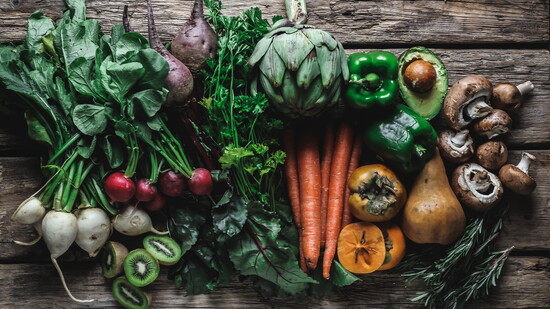
Most people think a plant-based diet is strictly for those vegan and vegetarian types, but there is no debating the overwhelming evidence showing the benefits of improved health for those who make that diet choice. Plant-based eating is more of a lifestyle than a diet—you are simply eating more foods that are closer to their harvested state with minimal processing.
Meatless diets have been shown to improve health outcomes by lowering the risk of developing heart disease, diabetes, high blood pressure, inflammation, and some cancers. They also improve gut health because of added fiber to your diet. A plant-based diet still allows you to consume the carbohydrates, protein, fats, minerals, and vitamins that are necessary for good health, with the added benefits of being higher in fiber and phytonutrients.
You don’t have to give up meat entirely. There are labels to help identify where you fall on your plant-eating journey, so you can choose what feels comfortable and sustainable. A flexitarian occasionally eats meat but primarily focuses on plant-based foods. A vegetarian avoids meat but still includes eggs and dairy, while a vegan consumes no animal products at all.
TIPS to get started on your plant-based journey:
- Make small changes to test your comfort level when reducing meat intake. There is a risk of being overwhelmed if you suddenly stop eating meat altogether, and it will be harder to stick to your choice long term. Start by increasing consumption of plant foods you already like.
- A plant-based diet does not have to be boring. You can create a variety of dishes, including ethnic meals that are meat-free and delicious. This is a great time to try new spices to add a punch to your vegetables and add green leafy vegetables to your smoothies.
- Use the whole plant because there are nutrients in every part, including the stems and leaves. Use the leaves from celery, radishes, beets, and carrots, and use the stems from spinach. Don’t throw away vital nutrients like potassium, vitamin C, and fiber.
- Eat the rainbow! Choose different-colored fruits and vegetables to get a variety of nutrients. The color of plant-based foods is often an indicator of the vitamins and minerals they contain. So, more colors mean more nutrients. Example: Orange foods contain beta carotene, the precursor for vitamin A.
- If you do not eat any animal products, you will possibly need to take a B12 and an iron supplement. Vitamin B12 is an essential vitamin available only in animal products. Low B12 can cause anemia and damage to the nervous system. Some packaged vegan foods are fortified with vitamin B12.
- A meat-free diet does not automatically mean healthy if you replace the meat with highly processed junk food and meat substitutes. You need to eat good, fresh-quality fruits, vegetables, and grains to gain the health benefits that can add years to your life.
Claudia Martin-Ayoade is a registered dietitian, writer, and public speaker who is passionate about educating people on nutrition and addressing food insecurity.
Plant-based eating is more of a lifestyle than a diet.
Eat the rainbow! Choose different-colored fruits and vegetables to get a variety of nutrients. The color of plant-based foods is often an indicator of the vitamins and minerals they contain. So, more colors mean more nutrients.