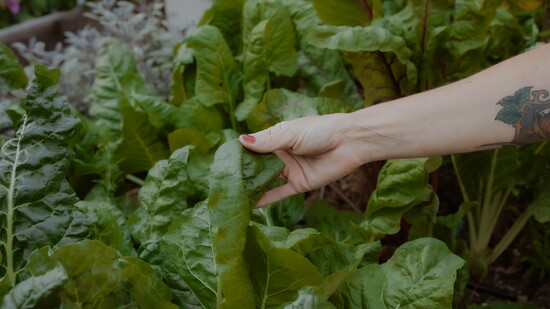
A love of seasonal food turned a suburban backyard into an abundant oasis, providing fresh harvests year-round and filling the pantry for seasons to come. In this issue, Walnut Creek City Lifestyle’s contributing writer Lindsey Hickman shares her love of storytelling and passion for seasonal food. Away from the keyboard, she spends her time cultivating an edible backyard, preserving the harvest, and finding joy in the simple rhythms of growing, cooking, gathering family and friends around the table, and creating lasting memories.
Q: What inspired you to turn your backyard into a garden capable of feeding your entire family?
I've always been passionate about seasonal food and growing whatever we could. When our children were young, we lived on a small farm where we raised pasture-fed animals and experimented with gardening. After moving into town, our backyard was due for a complete remodel. Like many suburban homes, it was mostly lawn surrounded by ornamental landscaping. We considered the usual options: a pool, fresh sod, but neither reflected how we wanted to live.
Instead, we turned the entire space into something productive.
Ironically, replacing the landscape with food-producing plants cost less than a traditional renovation, and today it's our favorite place to be. My mornings begin with coffee on the garden swing, and most evenings end there with a glass of wine, surrounded by the food we'll enjoy in the weeks and months ahead.
Q: How did you do it, and what does your garden produce throughout the year?
Living in USDA Zone 9b gives us an incredible advantage. With a Mediterranean climate, hot, dry summers and cool, wet winters, we're able to grow food nearly year-round through succession planting.
We replaced ornamental shrubs with edible perennials: dwarf peach, nectarine, apricot, fig, lemon, lime, and kumquat trees, along with thornless blackberries, raspberries, and blueberries. Winter squash and melons wander across open spaces, celery happily reseeds itself in the shade, and raised beds rotate between potatoes in winter and sweet potatoes in summer. Galvanized troughs tucked throughout the yard hold asparagus, mint, and whatever new crop I'm experimenting with that season.
Where the lawn once grew, we installed six 4-by-8-foot redwood raised beds, surrounded by decomposed granite pathways. We repurposed the existing sprinkler system so each bed has its own drip irrigation, allowing the garden to practically care for itself, even when we're away.
Inside each bed, I plant as densely and diversely as possible. Permanent herbs and beneficial flowers, including rosemary, sage, tarragon, lavender, lemon verbena, calendula, and echinacea, form the backbone of each bed, while seasonal vegetables, herbs, and flowers are tucked into every available space. Dense planting naturally shades the soil, conserves moisture, reduces pest pressure, and creates an ecosystem that improves each year.
Q: What have you learned about preserving food for the off-season?
Our goal is to enjoy food at its seasonal peak while stocking the pantry with ingredients we'd otherwise buy at the grocery store.
We preserve our harvest through canning, freeze-drying, and fermentation. We freeze-dry cool-season herbs like dill, cilantro, and parsley to preserve their vibrant flavor, while tomatoes become sauces, salsa, ketchup, and paste. We can potatoes, roasted peppers, green chiles, pickles, relish, pumpkin purée, pie fillings, and more. The freeze dryer handles corn, green beans, mushrooms, eggs, and stone fruit for everything from soups to quick snacks.
Opening a jar of homegrown tomato sauce in the middle of winter or reaching for herbs harvested months earlier is one of the most rewarding parts of gardening.
Q: Any advice for readers who want to start growing this fall?
October is one of the best times to begin planning for winter harvests.
Direct-sow carrots, beets, radishes, turnips, spinach, arugula, lettuce, cilantro, dill, parsley, snap peas, and snow peas. It's also the perfect time to transplant broccoli, cauliflower, cabbage, kale, Swiss chard, and bok choy. And don't forget to plant garlic, onions, and shallots now for an early summer harvest.
If you're just getting started, don't overthink it. Plant one raised bed, grow a handful of vegetables your family actually enjoys eating, and build from there. A productive garden doesn't happen in a season; it grows a little more each year, just like the gardener tending it.