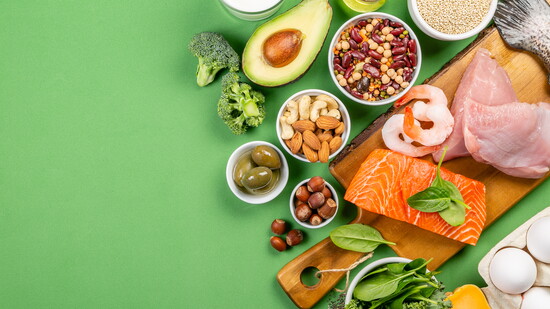
For years, diets were built around the old Food Pyramid, which placed grains and carbohydrates at the base. Today, many nutrition approaches take the opposite view: emphasize protein, healthy fats, and whole foods, and reduce refined carbohydrates.
The most foundational macronutrients are protein and fat because they supply the raw materials to build muscle, organs, hormones, cell membranes, and other tissues. Both can also be used as fuel. Carbohydrates can be used for fuel, like gasoline in a car engine, but they can’t become parts of the car.
The next priority is micronutrients: vitamins and minerals. These are found in both animal and plant foods. While they are generally more concentrated and bioavailable in animal foods, many can also be found in abundance in carefully chosen whole plant foods.
Beyond essential nutrients, three additional factors help determine food quality:
Complete protein contains all nine essential amino acids in sufficient amounts to support the body’s needs. Animal foods naturally provide complete protein, while most plant proteins must be combined to supply all essential amino acids.
Bioavailability refers to how much of a nutrient is digested, absorbed, and actually used by the body. For example, the protein in beef and eggs is absorbed and utilized more efficiently than that of many plant foods.
Satiety — the feeling of fullness that delays hunger between meals. Higher-protein, higher-fat, and fiber-rich foods generally keep you satisfied longer.
Consider this example: about 4½ ounces of filet mignon provides roughly 30 grams of complete, highly bioavailable protein for around 250 calories. To reach the same total protein from cooked kidney beans requires about 2½ cups—roughly 440 calories and more than 75 grams of carbohydrate. It also provides less digestible protein, is lower in several essential amino acids, and is less bioavailable.
A practical food hierarchy looks like this:
Tier 1: Nature’s complete foods
Organ meats, beef, lamb, wild fish, eggs
Tier 2: Other animal foods
Chicken, turkey, seafood, Greek yogurt, cheese
Tier 3: Whole plant foods
Fruit, vegetables, potatoes, beans
Tier 4: Refined foods
Bread, pasta, crackers, cereals
Tier 5: Engineered foods
Soda, candy, pastries, chips
The closer a food looks to how it existed in nature, the more likely it deserves a place on your plate. Focus on foods that give your body the most nutrition per calorie, keep you satisfied longer, and support health for years to come. When it comes to nutrition, quality matters more than quantity.