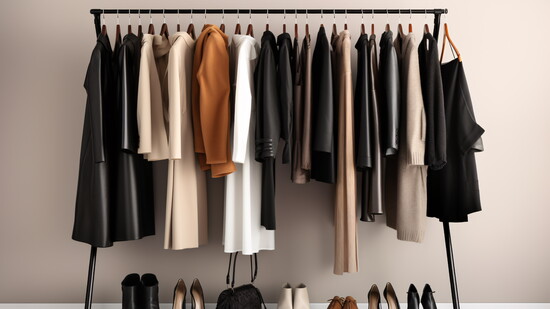
When seasons shift and wardrobes change just as quickly here in New Jersey, New Year’s Eve often conjures thoughts of goal setting, new gym routines, better eating habits and mood boards. What’s often overlooked—and rarely added to that list—is a deep dive into our closets. Rarely do we acknowledge the effect our clothes can have on our moods and how that affects what we think and feel about ourselves. How you dress can say a lot about you, and it’s often a big part of the first impression you make. Think about how someone wearing a well-tailored suit can impact the way you perceive them and the way they move through the world. As a result, clothing, whether we like it or not, is a huge part of our daily lives.
There are many reasons people feel overwhelmed by their closets. In my opinion, the number one is having too much clothing that just doesn’t fit quite right. From pants that are a little too long to shirts that are a little too tight—add up enough of these and getting dressed can feel like a punishment. Think of that “I have nothing to wear” feeling. I can almost guarantee that it has to do with your relationship to the clothing pieces you have in your closet.
Feeling overwhelmed after this diagnosis? Don’t you worry, I’ve been there and have some advice to help you get through this and make 2026 your best dressed year.
Step 1: Prep the Space and Yourself
To make the most of this task, block off 4–5 hours to really get into a clothing-sorting flow state. Think of it as going in for a procedure but the patient is your closet. You don’t want to rush the process. If this feels like too much all at once, you can also break it up into two days. Just know things may get a little chaotic with clothes all over the place in between those two days, so plan accordingly.
After picking the day you’ll be doing your clean-out, gather your supplies. Having everything ready to go will make this process much smoother. You’ll want large black trash bags for donations, a bin for things you want to sell and another for items that need to be tailored. This is also a great time to have cleaning supplies on hand. Since you’ll be taking everything out of your closet, it’s the perfect moment to deep-clean, vacuum and wipe down surfaces. If you want to go the extra mile, this is also a great time to steam clothing pieces that need attention or swap out old hangers for a fresh, matching set.
Finally, set the mood and get ready to lock in. Put on your favorite music, pour a glass of wine if you’re so inclined, light a candle and settle in for a deep dive into your closet.
Step 2: The Full Unload
To really get into the process, take everything out of your closet. And I mean everything. Remove all clothes, shoes and accessories and pile them onto your bed or a nearby surface. Seeing the volume will keep you honest. As you unload, loosely separate items into categories—tops, denim, sweaters, dresses, outerwear, activewear, pajamas, shoes, etc. This keeps you organized and prevents feeling overwhelmed.
Step 3: Category-by-Category Decluttering
Now that everything is out, start going through each category one piece at a time. Working systematically will help you stay focused and help you feel like you’re making progress.
As you examine each item, check for pilling, wear or stretching. Try on pieces you haven’t worn recently—yes, even the ones you think you still love. Ask yourself:
-
“Does this support the lifestyle I’m living now?”
-
“Do I like how I look and feel in this?”
If the answer is no, it’s time to let it go.
For tops… Check for pilling and stretching. Try on pieces you haven’t reached for in months.
For pants… Assess fit, comfort and versatility.
For dresses and special-occasion wear… Keep only what you genuinely feel great in. Photograph formal pieces for reference.
For outerwear… Inspect linings, buttons and zippers. Keep only your most functional and loved coats.
For activewear… Replace worn-out or stretched pieces. Keep neutrals and mix-and-match staples.
For shoes and accessories… Check soles and straps; repair what’s worth saving.
Step 4: Sorting
Sort each piece into four buckets:
Keep — items you love, wear often or need.
Donate — quality items that no longer serve you.
Sell — designer, high-end or unworn pieces.
Tailor — items that need minor adjustments to fit perfectly.
Afterward, drop donations off locally, list sellable items online or bring them to consignment, and take tailored items to your nearest professional.
Step 5: Reorganize
Now that you’ve decluttered, organize your remaining clothing by category—and optionally, by color.
Fold knits, sweats, tees and activewear to preserve their shape. Store cashmere in cedar to protect against moths. Keep your closet visually clear and easy to navigate.
Step 6: Looking Ahead
You’ve put in the work, and now you have a clear sense of what’s missing. This is the perfect time to build a thoughtful shopping list: elevated basics, layering pieces, fresh denim or updated outerwear.
Consider your 2025 lifestyle goals and choose additions that truly support them. Use profits from selling old items to reinvest in high-quality pieces that make you feel your best.
Final Thoughts
Take a moment to enjoy your refreshed space and the sense of clarity that comes with it. A well-curated closet doesn’t happen overnight—it’s built through intentional choices that reflect who you are and who you’re becoming.
With your newly organized wardrobe and a more mindful approach, you’re already on your way to your best dressed year yet.
About the Writer:
Nicholas Xavier Hall is a fashion, beauty and lifestyle writer based in New Jersey. His work explores modern style through a lens of creativity, confidence and self-expression.
Follow @gardenstatecitylifestyle for daily outfit inspo, local boutique finds, try-on reels and gift guides. Tag your looks with #ShareTheLifestyle for a chance to be featured.
"Remember, the perfect closet doesn’t happen overnight. It takes time and intentional curation." - Nicholas Xavier Hall