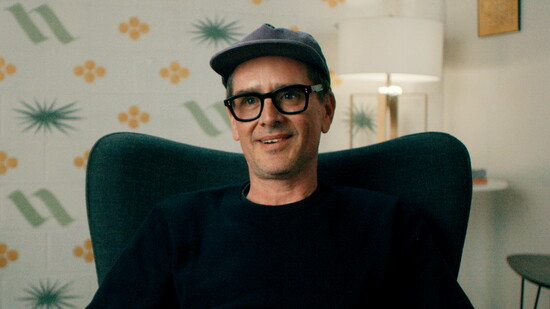
Austin recently earned the title of America's best coffee city, but Travis Kizer, owner of Barrett's Coffee, isn't interested in debating rankings. Instead, he's focused on the people who make the city's coffee culture what it is.
That quiet authenticity is exactly what made Kizer the perfect choice to represent Austin in Season 2 of COFFEE The Universal Language, the PBS documentary series exploring coffee cultures in cities across the country.
When producers first reached out, Kizer had never heard of the series. Later, he learned they had spoken with multiple people throughout Austin's coffee community before selecting him to tell the city's story.
For someone who has been roasting coffee since 1992 and helping shape Austin's specialty coffee scene since 1995, the recognition came as an unexpected honor.
Over the past three decades, Kizer has watched Austin transform from a city with just a handful of coffee roasters into one with more than 30.
"When I started roasting coffee here, I think we were one of three or four people in town," he says.
Ask him what makes Austin worthy of its own documentary episode, and his answer is immediate.
"The people."
Rather than focusing solely on brewing techniques or beans, Kizer believes the city's coffee culture has always been defined by the people behind the counter and the communities they've created. While the craft has evolved dramatically over the years, coffee shops remain gathering places where neighbors become friends and conversations unfold one cup at a time.
That philosophy extends far beyond Austin.
Barrett's sources coffee beans from around the world, cultivating longstanding relationships with producers in countries including El Salvador, Honduras, and Mexico while supporting initiatives that give back to coffee-growing communities. One recent project helps fund digital learning centers in Ethiopia, reinforcing Kizer's belief that coffee has always been about people helping people.
The documentary also offers a glimpse into Kizer's personal life, touching on the sudden loss of his wife two years ago and the support he received from Austin's coffee community during that difficult chapter. Watching the finished episode felt vulnerable, he admits, but he understands why the filmmakers chose to include it. It's another example of the connections that coffee can foster.
Closer to home, Barrett's continues finding new ways to serve its customers. The company offers free next-day home delivery of its house-roasted coffee throughout much of Central Texas and has recently expanded its sustainable offerings with Bubb's Seltzer, a reusable-bottle sparkling water delivery service that revives the old-fashioned milkman model.
As COFFEE The Universal Language began airing in August, Kizer hopes viewers come away with one simple impression.
"Austin is an insanely good place to drink coffee."
And after meeting the man chosen to represent it, they just might discover it's an even better place to find community.
Season 2 episodes are available on PBS and Tubi.
"Coffee has always been about people helping people. That's true in Austin, and it's true everywhere coffee is grown."