I still remember the culture shock. I had been plucked out of the for-profit world and thrust into the nonprofit sector. I give God the credit for that. In my former life, spending tens of thousands of dollars on a department Christmas party or hundreds of thousands on a corporate event was not unusual. Then suddenly, I found myself working alongside organizations asking grocery stores to donate snacks so children in an afterschool program would have something to eat.
Same country. Same economy. Completely different realities.
Today, I have the privilege of working with nonprofits throughout the country. I am also frequently consulted by people who feel called to start organizations of their own. Their missions vary - children, veterans, housing, education, healthcare, food insecurity, economic mobility, the arts, faith, families - but one thing is always consistent: passion.
Someone saw something that needed to change. Someone encountered a problem and could not look away. Someone decided, “We have to do something.” That passion is beautiful. In many cases, I would call it ministry, regardless of whether the organization has any religious affiliation. It is service born from a conviction that somebody’s life, neighborhood, or future can be better.
The truth? Passion may start a nonprofit, but passion alone cannot sustain one. Here in Fayette County, that matters. According to the U.S. Census Bureau, our population was estimated at more than 125,000 in 2025. Median household income is nearly $112,000, reflecting the prosperity for which Fayette is known. Yet 5.8 percent of residents live in poverty. More than one in five residents is 65 or older, and roughly one in five is under 18.
Numbers like those remind us that affluence and need can occupy the same ZIP code. A strong community can still have children who need mentoring, seniors who need support, families facing food insecurity, people navigating illness, veterans needing assistance, and neighbors who are one unexpected expense away from crisis. That is where our nonprofits step in, but running one? That, dear reader, is hard.
Even establishing a nonprofit can feel like learning another language. Organizing documents, bylaws, an EIN, a board, state requirements, and, for organizations seeking tax-exempt recognition, an application to the IRS. Then comes compliance, recordkeeping, reporting, fundraising, and protecting the status you worked so hard to obtain. None of this is meant to discourage the person with a vision. I’m just keepin’ it real.
Then there is money. We’ve all heard some version of the phrase, “No money, no mission.” It can sound harsh in a sector built around service, but the principle is undeniable. Programs require people. Buildings require utilities. Vans require gasoline. Technology costs money. Insurance costs money. So do background checks, training, accountants, audits, supplies, marketing, and, yes, snacks for those children in the afterschool program.
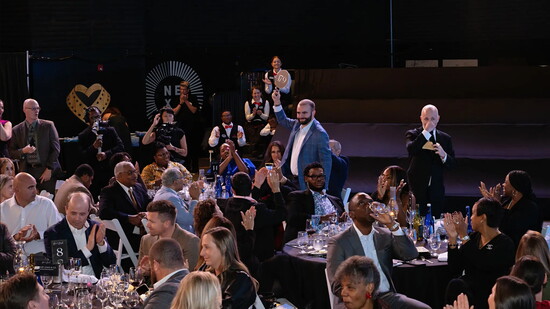
The people being served rarely need less because a grant did not come through. So nonprofit leaders fundraise. There are golf tournaments, 5K runs, bingo nights, luncheons, auctions, and, of course, the dreaded four-letter word: GALA.
Guests arrive dressed beautifully, enjoy dinner, laugh with friends, bid on auction items, hear an inspiring story, and hopefully leave feeling connected to the cause. What they do not see are the months behind that evening: sponsorship requests, ticket sales, auction procurement, venue negotiations, menus, programs, honorees, seating charts, volunteers, audiovisual details, and the persistent question hovering over every decision: Will we raise enough money to make all of this worthwhile?
Creating a fun, memorable experience for potential donors can be exhilarating, and it can also be… well, you know what. Imagine that the executive director is often managing all that while still running the organization. Goodness! They are expected to think like CEOs, fundraisers, marketers, human-resource professionals, financial managers, public speakers, and community diplomats - sometimes before lunch. Many are trying to raise tomorrow’s money while delivering today’s services.
Then there is the board. Ok, I’ll tread gently here. Board members are volunteers, and their service matters enormously. They give something no organization can replace: their time, experience, influence, and judgment - and, if they are golden, their treasure.
Serving on a nonprofit board is more than allowing your name to appear on a website or attending an occasional meeting.
The board is the organization’s governing body. Board members carry fiduciary responsibilities and provide oversight of finances, policy, executive leadership, mission, and organizational assets. The executive director manages the organization; the board governs it. Strong nonprofits need both sides of that partnership functioning well. Yet one of the frustrations I hear most often from nonprofit leaders is not that they have bad board members. It is that they have well-intentioned ones who gradually become spectators.
Most people say yes because they believe in the mission, admire the founder, know someone on the board, or want to help. Then life gets busy. Meetings are missed. Emails go unanswered. Fundraising becomes someone else’s responsibility. A seat intended for an engaged steward quietly becomes an occupied chair.
Nonprofits deserve more than that. They need board members who ask thoughtful questions, understand the financials, open doors, make introductions, attend meetings prepared, advocate for the mission, and participate in securing resources. Governance may not be glamorous, but it is consequential.
Somewhere tonight, a nonprofit leader is reviewing a budget and wondering how to stretch it. Someone is writing a grant after the staff has gone home. Someone is preparing for a board meeting, recruiting volunteers or figuring out how to serve ten more families than the organization planned for. Tomorrow, they will get up and do it again.
So, when I meet people who lead nonprofits, I do not romanticize their work. I respect it, tremendously. And when I meet someone who wants to start one, I ask, “Are you sure?” I know what sits behind the mission statement.
Passion matters. Compassion matters. Vision matters. But so do strategy, governance, infrastructure, accountability, fundraising, and leadership. Regular sleep, dedicated staff and volunteers, as well as consistent financial support, are bonuses. The heart may be what calls us to the work. But it takes both heart and discipline to keep the doors open long enough for the mission to change lives.
"There are golf tournaments, 5K runs, bingo nights, luncheons, auctions, and, of course, the dreaded four-letter word: GALA."
"So, when I meet people who lead nonprofits, I do not romanticize their work. I respect it tremendously. And when I meet someone who wants to start one, I ask, 'Are you sure?'"