Long before I became a psychiatrist, I watched my mother practice a kind of healing that had nothing to do with hospitals, medications or medical degrees. She has a gift for helping people feel that they belong.
During the late 1970s and early 1980s, she volunteered through Catholic Charities with Vietnamese families who had fled their homeland after the fall of Saigon and were beginning new lives in Memphis. My brother and I often went with her. We played with their children, shared meals around their tables and spent afternoons in homes where we didn’t speak the same language but somehow always understood one another. My mother taught us that no one should ever feel like an outsider and that one of the greatest gifts we can offer another person is the feeling that they belong. Looking back, I realize she wasn’t simply helping families settle into a new city. She was helping them become part of a community, a place where they belonged.
At the time, I thought she was teaching us kindness. Years later, after thousands of conversations with patients, I realized she was also teaching us something about health.
Medicine has transformed our ability to prevent disease and extend life. We know exercise, nutrition, sleep and preventive care matter, yet one of the most powerful influences on health receives far less attention than it deserves: the human experience of belonging.
In 2023, U.S. Surgeon General Dr. Vivek Murthy described loneliness and social isolation as one of our nation’s most significant public health challenges. Research has linked poor social connection to depression, anxiety, cardiovascular disease, dementia, stroke and premature death. Studies of the world’s Blue Zones consistently find that close relationships accompany many of the longest and healthiest lives. Belonging is not separate from health. It helps create it.
The COVID-19 pandemic reminded us that people are not meant to live in prolonged isolation. Families were separated, gathering places fell silent and we all experienced how deeply we depend on one another, reinforcing a lesson that medicine cannot ignore: human connection is part of health.
Every day in my practice, I hear stories that reflect that truth. A widow struggles after losing her spouse. A man retires and misses the friendships and purpose work quietly provided. A teenager struggles with serious depression after months of feeling profoundly alone, despite spending hours each day connected to a screen. Parents become empty nesters and wonder who they are now. Different stories, but often the same thread: somewhere along the way, an important source of connection has been lost.
Medication helps. Psychotherapy changes lives. I believe deeply in both. But perhaps the most important thing I try to create for every patient is a sacred space of belonging, where they are fully seen, heard without judgment and reminded that their worth has never depended on a diagnosis. I have watched healing begin because someone found a church, a volunteer organization, a fitness class or simply a group of people who knew their name and expected them to return.
That is one of the reasons I love Memphis. Our city is filled with places where belonging is built every day. It happens in churches, schools, arts organizations, theaters and youth programs. Across Memphis, these communities help people build confidence, leadership, friendships and purpose.
Some of the strongest examples are found in our recovery community. Every day across Memphis, men and women gather in twelve step meetings not simply to talk about addiction, but to build lives together. They celebrate sobriety, answer late night phone calls, carry one another through setbacks and make sure no one has to recover alone. As an addiction psychiatrist, I have seen medication and psychotherapy save lives. I have also seen belonging save lives.
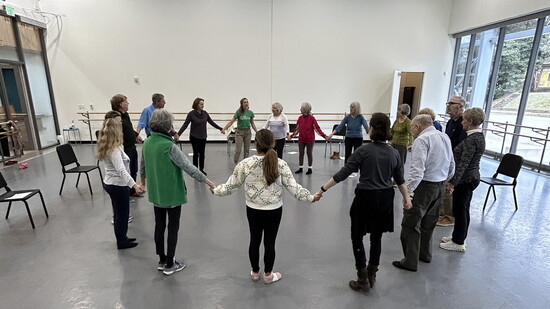
One of my favorite examples is Ballet Memphis. Through its Parkinson’s program, participants gain the physical benefits of movement and balance. Spend a little time watching those classes, however, and it becomes clear that movement is only part of the story. There is encouragement, laughter, accountability and genuine affection between people who understand one another’s struggles.
As physicians, we naturally focus on outcomes that can be measured. But many of those victories begin long before anyone enters a doctor’s office. They begin when communities create places where people know they are welcomed, valued and missed when they are gone.
When I think back to those afternoons with Vietnamese families all those years ago, I remember watching my mother make room for people who had lost almost everything familiar to them. It took me years of practicing medicine to realize that my mother had been practicing it all along.