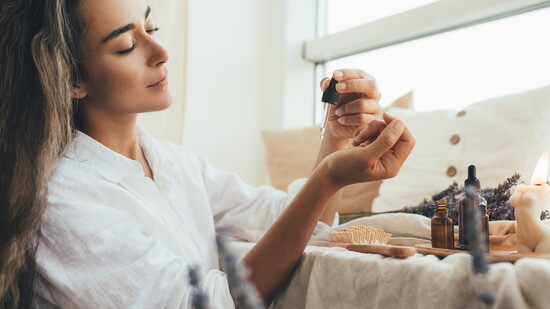
Aromatherapy has found its way into the homes and wellness routines of many, but few understand the keys to success in its use and how to make it something that is both safe and effective. Catherine Robinson, certified aromatherapist and founder of Wildwood Aromas, discusses the benefits of aromatherapy, how to shop for quality essential oils, and her go-to scents for every home.
How were you first introduced to aromatherapy?
Honestly, it started with my older sister - she began using essential oils long before I did and told me to get into them, so I decided to give them a try.
When I started using them, I began noticing that my family was feeling better overall. Because my husband had developed some medical concerns, I wanted to support him in as many ways as possible. I started researching aromatherapy and essential oils but found they were quite confusing, and the internet often offered contradicting information.
That’s when I decided to go back to school to get real training in aromatherapy. I completed 100 hours of training, did five case studies, and passed a final exam to become certified through The School for Aromatic Studies.
What kinds of benefits have you seen from aromatherapy?
I genuinely love how essential oils make me feel – and how they help the people around me. They’re such an accessible way to feel better. Plus, they smell wonderful and who doesn’t love that?
In my own personal use, I’ve seen my family's wellness improve, meaning fewer sick days for all of us. Additionally, aromatherapy supports the overall physical and emotional well-being of individuals, aiding in things such as balancing moods and helping people feel better in general.
With so many products available, what should someone look for when shopping for essential oils?
First, remember that natural doesn’t automatically mean beneficial or safe. Some oils can interact with prescriptions or irritate the skin, especially if they aren’t used correctly.
Secondly, quality matters. Lower-quality oils don’t offer the same benefits as high quality oils, and some brands even use synthetics or additives to boost production. These things can trigger allergic reactions or make you feel generally unwell when used.
There’s no official grading system or governing body for essential oils, so you want to purchase oils that are pure and properly distilled. And quality doesn’t mean the most expensive – there’s a comfortable middle ground.
If someone wants to start using essential oils at home, where should they begin?
Lavendar. It’s the Swiss Army knife of essential oils. If you only ever buy one oil, make it lavender. It’s safe for children and pets, it has a wide range of uses, and it mixes with almost everything.
For mood support, citrus oils are wonderful. Other oils I’d recommend investing in are frankincense, tea tree, and eucalyptus radiata, which is the gentlest form of eucalyptus.
At home, you can diffuse or dilute and apply essential oils – and a little goes a long way, with most people seeing benefits when using as little as 5-10 drops in a recipe.
For more information, visit https://www.wildwoodaromas.com