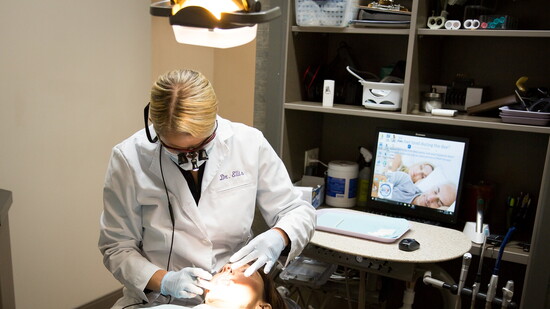
When Dr. Holly Ellis opened Ellis Dental in 2009, she expected to build a traditional dental practice rooted in relationships, preventive care, and a commitment to treating every patient as an individual. She didn’t anticipate that her work would eventually expand beyond teeth and gums—and into one of the most essential, overlooked pillars of health: sleep.
"Sleep," says Dr. Ellis, “is one of the vital parts of our day, yet one that many people never get enough of, or get well." Dr. Ellis not only runs her thriving dental practice in Kirkwood but also leads the Ellis Sleep Center alongside her associates. Together, they help patients understand their sleep studies, explore treatment options, and—most importantly—finally feel rested.
Dr. Ellis didn’t learn about sleep apnea in dental school—hardly any dental programs offered coursework in it at the time. But around 2014, a patient came to her desperate for help. She couldn’t tolerate her CPAP machine anymore. Could Dr. Ellis make her an oral appliance instead?
“I had never made one before,” Dr. Ellis recalled. “But she trusted me.” With that leap of trust—and a lot of late-night studying—Dr. Ellis created her first appliance at no cost, learning as she went. Soon, more patients began asking about alternative sleep therapies. Curiosity turned into opportunity.
Determined to better understand the mouth–airway connection, she brought her entire team to a sleep dentistry course in Memphis. “We came back incredibly motivated,” she said. “We started treating our friends and family, then our patients. And suddenly, we were seeing the difference restful sleep could make in someone’s life.”
When Sleep Disruptions Become Daily Life
Many of Dr. Ellis’ patients don’t realize how severely their sleep affects their waking hours.
“They’ll say they’re dragging through the day, they never feel rested, or they’ve had morning headaches for years,” she explained. “Sometimes they think that’s just what life feels like as you get older. But often, it’s simply untreated sleep apnea.”
Obstructive sleep apnea occurs when the airway collapses during sleep, cutting off oxygen and jolting the person awake—even if they don’t remember it happening. Dr. Ellis compares it to “trying to sleep next to a puppy that wakes you up every hour.” The interruptions prevent deep, restorative rest and can push blood pressure up, oxygen levels down, and stress hormones into overdrive.
Untreated sleep apnea can worsen cardiovascular disease, contribute to memory issues, and increase the risk of stroke.
Why Oral Appliances Work
For many people, the standard treatment is the CPAP machine. But Dr. Ellis notes that while CPAP is highly effective, “most people we see simply cannot sleep with it long-term.” The straps, the pressure, the noise: they all add up.
An oral appliance, by contrast, fits in the palm of the hand. It gently positions the jaw to keep the airway open, making it easier to breathe naturally during sleep.
And patients wear it.
“They travel with it. They nap with it. They wake up feeling better, so they want to keep using it,” she said. “When you sleep better, everything gets better: your mood, your stress levels, your energy, and even your ability to show up in your day-to-day life.”
Making Care Accessible
Perhaps most impressive is Dr. Ellis’ commitment to removing barriers. Consultations at Ellis Sleep Center are free. Her sleep coordinators, Bailey and Megan, review sleep studies, help patients understand insurance coverage, and guide them through the next steps, whether that means a CPAP, surgery, or an oral appliance.
“We just want them treated,” Dr. Ellis said.
Good sleep isn’t a luxury: it’s a foundation. For many patients walking through her doors, it’s the first step toward feeling fully alive again.
For more information, visit ellissleepcenter.com.