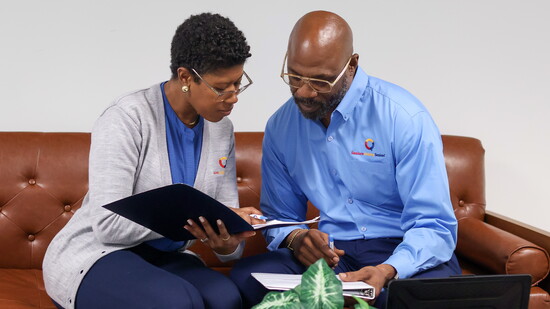
The first thing you notice about Shanticleer Graham is how steady he is.
His voice doesn’t rush. His answers don’t wander. When he talks about seniors, he speaks with the kind of calm that makes you feel like things are going to be okay.
And for families navigating the shifting seasons of aging, that feeling is everything.
An Army veteran with more than 20 years in healthcare leadership, Shanticleer has built his life around service. Over time, he began to notice something that lingered long after hospital rounds and executive meetings ended: seniors often fall into the quiet space between medical treatment and daily living support.
Families leave with instructions. What they don’t always leave with is practical help for real life.
That space — between discharge paperwork and dinner preparation, between prescriptions and companionship — is where Shanticleer and his wife, Erica, felt called to step in.
Together, they brought Seniors Helping Seniors to our community — a model built on one beautifully simple idea: seniors caring for seniors.
“Shared life experience creates trust quickly,” Shanticleer says. “It feels natural, respectful, and human.”
And that word — human — matters.
For Shanticleer, this work isn’t about taking over someone’s life. It’s about protecting it.
“Investing in someone as they age means protecting their identity,” he explains. “It means preserving independence, routines, dignity, and decision-making.”
It also means stepping in early — before a preventable setback quietly reshapes a family’s daily life.
One of the most common misconceptions he encounters is the belief that bringing help into the home signals failure. In reality, early support often safeguards independence.
“True independence isn’t doing everything alone,” he says. “It’s having the right support at the right time.”
That philosophy shows up in the smallest details — and the smallest details are often where dignity lives.
If a senior can button a shirt, even if it takes longer, they’re given the time. If they can safely prepare part of a meal, they’re encouraged to participate. Support is layered in gently, never imposed.
Because many caregivers in the program are mature adults themselves, the relationship feels less clinical and more companionable — more like a trusted peer walking alongside someone rather than directing them.
And sometimes, the return is deeply emotional.
Shanticleer recalls working with a senior who experienced a fall and began withdrawing socially. Her mobility was affected — but her confidence was shaken even more.
With steady companionship and thoughtful daily support, she slowly returned to her routines. But the most meaningful change wasn’t physical.
“She laughed again,” he says. “She initiated conversations. She felt like herself.”
And that — feeling like yourself — may be the most powerful protection of all.
Locally owned and personally invested, Shanticleer and Erica are building more than a service. By employing active, mature adults as caregivers, they create purpose on both sides of the relationship — meaningful work for the caregiver and meaningful support for the client.
It’s not simply hours of assistance.
It’s people investing in people — honoring who someone has been, supporting who they are today, and protecting who they still want to be tomorrow.
Seniors Helping Seniors – Atlanta Southwest
404-793-0677
info@shsatlantasouthwest.com
SHSAtlantaSouthwest.com
Facebook: SHSAtlantaSouthwest
“True independence isn’t doing everything alone. It’s having the right support at the right time.”