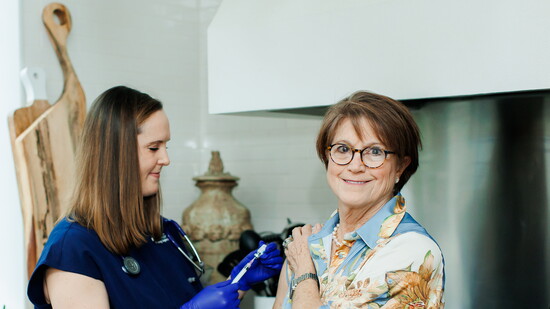
The holidays have a way of bringing families together, but sometimes, they also reveal the subtle signs that an aging loved one may need a little extra help at home. We sat down with Emily Manning, PA-C, owner of homeRN Franklin, to learn what to look for, how to start the conversation, and why stepping in early can help preserve independence.
What are the biggest red flags family members should look for when they visit an elderly loved one over the holidays that could indicate they are struggling at home?
One of the first things I recommend is looking at their overall appearance. Do they look put together and like they are taking care of themselves, or do they seem unusually disheveled? Pay attention to things like hygiene, clothing, and whether they appear to be keeping up with their normal routine. Then look around the home. Does it look relatively clean and intact? Is there food in the refrigerator and pantry? Is the trash being taken out? Are there piles of mail or things that seem out of place? These seemingly small details can give you a much better picture of how someone is really managing day-to-day.
What subtle changes in things like appearance, housekeeping, mobility, eating, medications, or memory are easy for family members to overlook?
Memory changes are probably one of the easiest things to overlook, especially if you don't live with or see your loved one regularly. Some memory loss is a normal part of aging, but family members should be intentional about asking questions and paying attention to their answers. Ask about their neighbor, their recent doctor's appointment, or what they did earlier in the week. Don't just assume everything is fine because they can carry on a conversation. Sometimes, if you spend even 10 minutes with someone, you'll notice they are repeating a question they asked five minutes earlier or forgetting something you just discussed.
If a family member notices one or more of these red flags, what should they do next, and how can they approach the conversation while still respecting their loved one’s independence?
Start by asking how they are doing. Do they feel okay? Do they feel like themselves? Conversations about memory loss or losing some independence can be very delicate. If your loved one really values their independence, reassure them that you value it too. The goal isn't to take away their independence. It's to help them maintain it for as long as possible.
At the same time, if you don't know what is really going on, you can't help. Addressing small concerns early can often prevent a situation from becoming a much bigger issue that ultimately forces someone to give up more independence than they would have otherwise. Their primary care physician can also be a great resource, and most physicians are very comfortable having these conversations with their patients and helping families determine what additional support may be appropriate.
Sometimes it can also help to have an outside person involved. At homeRN Franklin, we are happy to come alongside families and have a casual conversation with their loved one about what support might make life easier at home. The goal isn't to take over; it's to provide the right amount of help so they can stay safe, comfortable, and as independent as possible. If you have concerns about a loved one, don't wait until there is a crisis. Reaching out early can make all the difference.
homerncare.com/locations/franklin