Smart Maintenance Tips Every Castle Rock Driver Should Know
Many newer vehicles recommend oil changes every 10,000–15,000 miles. While that may work under ideal conditions, most drivers—especially in Colorado—don’t operate under those conditions. Modern engines are advancing rapidly with tighter tolerances and technologies like direct fuel injection. Overtime, fuel and soot can contaminate the oil, reducing its ability to properly protect engine components. Regular oil services using high-quality oil and filters can dramatically improve engine cleanliness, reduce sludge buildup, and extend engine life. The comparison images included in this article highlight the difference between neglected maintenance and engines that receive proper care. Stay ahead of problems — don’t just react to them. The goal is to provide clear communication, honest recommendations, and a customer experience built around trust and long-term vehicle health. Scott Warren fell in love with cars the moment he got my first one, a 1998 Honda Civic. It was not fancy—but it was his. Scott spent countless hours working on it, upgrading the suspension, putting on new wheels, and installing a sound system. He wasn’t just driving anymore—He was learning, experimenting, and enjoying every part of the process.
His first job wasn’t as a technician — it was checking in cars, answering phones, and cleaning the shop but he always wanted to be in the bay, working on the vehicles. Some technicians took the time to show Scott the basics, and he quickly realized maintaining and fixing cars was the career for him. He moved to Sears Automotive and within three years, worked his way up to a lead technician, performing every service the shop offered. After appling to work at BMW, and being told he needed more formal training, he attended Universal Technical Institute and then Scott was sponsored by BMW to attend BMW STEP school. Upon graduation, he began his career with BMW as a technician and eventually became a Master Technician. For the next 17 years, he worked with BMW. His final BMW dealership was Murray BMW, now BMW of Denver Downtown.
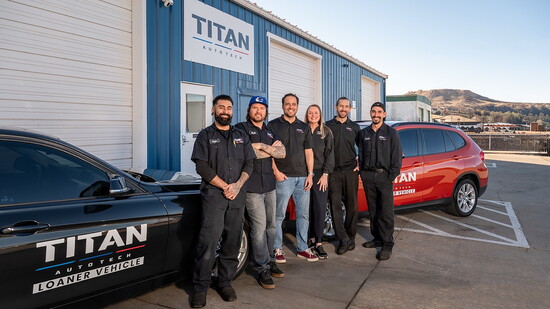
Scott was then presented with an opportunity to sublease a small shop space to start his own repair shop. Leaving a stable career was one of the scariest decisions he ever made, but Scott believed he could take better care of his client’s vehicles and the people driving them. Today, Titan Auto Tech has grown into a larger facility with a strong team and a focus on customer experience, including complimentary loaner vehicles and a commitment to treating every vehicle as if it belongs to a member of their own family.