Exotic animal medicine is a field defined by curiosity, complexity, and constant discovery. For Dr. Alisa Rassin, the path into this specialty began with a simple realization: many exotic species were not receiving the level of veterinary care they deserved. That early spark has since grown into a thriving, women‑owned, privately operated hospital dedicated to elevating the standard of care for birds, reptiles, small mammals, amphibians, and other non‑traditional pets.
What has continued to stand out to her is the depth of the human-animal bond across species. Whether caring for a rabbit, parrot, or bearded dragon, she sees how devoted owners are to their pets and how often they become knowledgeable, engaged advocates for their care. ‘Owners are deeply committed to their pets and often become very knowledgeable advocates for them,’ she says. That shared commitment fuels her work and helps shape the compassionate, collaborative culture of the hospital she leads.
Misconceptions About Exotic Pets
One of the most common misconceptions she encounters is the belief that exotic pets are “low maintenance.” Many people assume that a small animal must require less care than a dog or cat, but the opposite is often true. Exotic species have highly specific environmental, dietary, and social needs. A slight change in temperature, humidity, UVB exposure, or diet can have dramatic consequences. As she explains, “small changes in temperature, UVB exposure, or diet quality can have a major impact on reptiles, birds, and small mammals.”
Preventable Health Problems—and How Owners Can Help
Because husbandry plays such a critical role in exotic animal health, many of the conditions veterinarians see are preventable. Nutrition‑related diseases are common across species. Small herbivores frequently develop dental disease. Reptiles often present with metabolic bone disease due to improper lighting or diet. Respiratory disease is widespread among birds and small mammals.
Dr. Rassin emphasizes that “prevention truly starts with education.” Proper diet, species‑appropriate housing, correct lighting and heating, and routine wellness exams can dramatically improve both quality and length of life. Her hospital invests heavily in client education, believing that informed owners are empowered owners—and that empowerment leads to healthier pets.
Recognizing Illness in Exotic Species
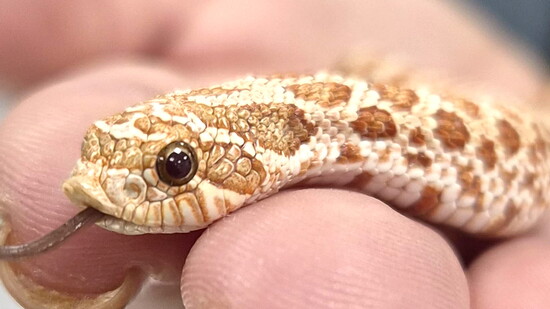
Because exotic animals mask illness so effectively, subtle behavioral changes often provide the earliest clues. In snakes, decreased appetite, incomplete sheds, or reduced activity may signal trouble. Birds may fluff their feathers, vocalize less, sit at the bottom of the cage, or show changes in droppings. Lizards and bearded dragons may bask less, eat less, or show changes in body condition.
These nuances require a trained eye, but they also require owners to know what “normal” looks like for their pet. That partnership between veterinarian and client is essential to catching problems early.
For small mammals like rabbits, guinea pigs, and chinchillas, even a brief change in appetite or fecal production—sometimes as little as eight to twelve hours—can indicate a medical emergency. As she notes, “across all species, small shifts in behavior are often the earliest—and most important—clues.”
We commonly see nutrition-related disease, dental disease in small herbivores, metabolic bone disease in reptiles, and respiratory disease across multiple species. Many of these conditions are preventable with appropriate husbandry.
A Hospital Built for Advanced Care
Surgery is a core part of the hospital’s services. The practice offers advanced soft tissue surgery, dentistry, reproductive procedures, mass removals, and emergency interventions. Their in‑house diagnostics include radiographs, CT scanning, and bloodwork, allowing them to move efficiently from diagnosis to treatment.
For more complex cases, they collaborate closely with United Veterinary Pet Partners (UVPP), a local specialty hospital equipped with advanced imaging and surgical tools. This partnership ensures that patients have access to the highest level of care while maintaining the personal, relationship‑driven approach of the practice.
Dr. Rassin is proud of the hospital’s ability to mediate the cost of care. They work closely with owners “to balance gold‑standard medicine with individual budget considerations whenever possible.” This philosophy reflects the hospital’s commitment to accessibility, compassion, and practical problem‑solving.
A Team Strengthened by Diverse Talents
While the hospital does not assign formal specialties, each team member brings unique strengths. Kevin, one of the technicians, has a particular passion for reptiles and enjoys surgical support. Becca, Brenna, and Erin are well‑rounded technicians with strong interests in patient care, nursing, and client education.
The hospital also collaborates with visiting specialists, including Dr. Meade, who provides avian‑focused appointments, and Dr. Mundy, a veterinary ophthalmologist who sees ocular cases across species. This collaborative model allows the hospital to offer comprehensive care without losing the personal touch that defines their culture.
The People Behind Exotic Pets
Over time, Dr. Rassin has noticed patterns among exotic pet owners. Rabbit owners tend to be observant and detail‑oriented. Bird owners are thoughtful and cautious, building trust slowly but deeply. Ferret owners, she jokes, are “efficiently unpredictable,” often scheduling appointments either very early or just in time. Reptile owners frequently juggle complex husbandry systems and busy schedules but are highly committed once care is established. Chicken owners fall on a spectrum from fully immersed flock managers to more casual caretakers.
Despite these differences, one common thread stands out: once trust is built, exotic pet owners are exceptionally engaged and rewarding to work with. That relationship, she says, “is truly at the center of good exotic animal medicine.”
Advice for Prospective Exotic Pet Owners
Her biggest advice is simple: research thoroughly before bringing an exotic pet home. Some species—such as certain small rodents, leopard geckos, or budgies—may be more beginner‑friendly, but “easy” is always relative. Every species requires a long‑term commitment to proper diet, housing, and species-specific veterinary care.
If she could encourage owners to do one thing differently, it would be to prioritize preventive care from the very beginning. Many diseases are preventable, and establishing appropriate husbandry early can make a tremendous difference in long‑term outcomes.
Memorable Cases That Capture the Spirit of the Work\
Exotic animal medicine is full of surprises. One axolotl (an aquatic salamander), suspected of swallowing a pebble, was found instead to have a rare intestinal tumor—successfully removed through surgery. A Sulcata tortoise with overgrown shell plates required specialized equipment, including a bone saw, provided through collaboration with UVPP. A bearded dragon that swallowed a rubber toy eventually passed it without surgery thanks to careful medical management.
And then there was the newly adopted rabbit whose thunderous thumping convinced the owner that an intruder was in the house—prompting a call to the police. It turned out to be nothing more than a very alarmed bunny adjusting to a new environment.
These stories illustrate the creativity, patience, and adaptability required in exotic animal medicine. They also highlight the joy and humor that come with the work.
What Makes the Work Rewarding
For Dr. Rassin, the most rewarding part of the job is seeing a sick or neglected exotic animal recover and thrive—especially when education and preventive care make a lasting difference. As a women‑owned, privately operated hospital, the team is committed to elevating exotic animal medicine and ensuring that these species receive thoughtful, gold‑standard care tailored to both their medical needs and their families’ circumstances.
Community education and rescue partnerships are central to that mission. The hospital sees itself not just as a medical provider but as an advocate for species that often lack representation in traditional veterinary settings.
A Glimpse Behind the Scenes
Outside of work, Dr. Rassin describes herself as being in a season of building—not just a hospital, but a team and a culture. She invests heavily in creating an environment where people feel supported, trusted, and excited to grow. Team outings, from brunches to ziplining, help strengthen those bonds.
Her personal life reflects a similar theme of growth. Travel, once a major passion, has taken a back seat to raising children and running a hospital. Reading has reentered her life through helping her oldest child learn to read. She has also been “somewhat unsuccessfully but persistently” trying to grow a vegetable garden.
These glimpses reveal a leader - someone who brings the same dedication to her personal life that she brings to her practice.
eahphilly.vet
Exotic & Small Animal Hospital of Pennsylvania, located in King of Prussia, PA
"I was drawn to exotic animal medicine because it combines medicine, problem-solving, and constant learning in a way that feels both challenging and deeply rewarding. Early in my training, I realized that many exotic species were significantly underrepresented in veterinary care, and I wanted to help close that gap." - Dr. Rassin