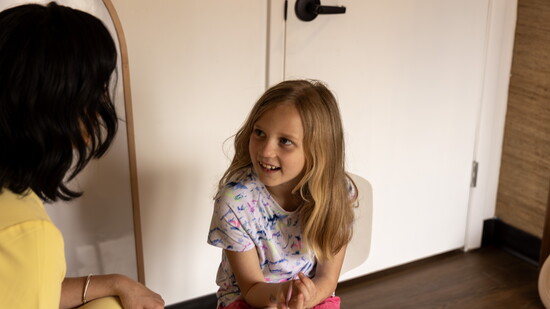
Pediatric therapy not only impacts the life of the child involved but also has a positive influence on the entire family thanks to the child's ability to communicate, move, and participate in daily life. Method Pediatric Therapy and Wellness brings occupational, physical, and speech therapy into the child's world — home, school, community — to help integrate those new skills. In return, this often makes daily life easier and more stable, as well as supporting strong connections among everyone.
"When families invest in the process together, we often see meaningful shifts not only in the child but also in the relationships within the home," says Method Pediatric owner Taylor Hornbaker. "Through OT, PT, and ST, we help families understand the 'why' behind areas that have challenged the child, which reduces worry and fear and builds more responsive, connected interactions."
One key part of the process is identifying habits that no longer support the child's development. The Method team helps implement more successful strategies. When families make these changes, their daily routines often become easier, communication improves, and everyone feels more connected and confident.
The team provides services in the home, their clinic, and in school and community settings so the child's new skills can translate directly to real-life situations. Families and caregivers are coached in the child's techniques during the sessions. They also receive recommendations on skills to use during a typical day's routines, such as mealtimes, play, transitions, and school activities.
The Method team also knows how busy families can be. So, they create a plan that fits into the family's natural rhythm. This is meant to make things easier, not more stressful or overwhelming.
Hornbaker says, "Supporting the whole family is essential because it allows progress to last. We recognize that we are only a small part of a child’s life. Our goal is to provide meaningful support while helping families build the confidence and skills to succeed independently as quickly as possible. Children do best when the people around them feel supported, informed, and equipped."