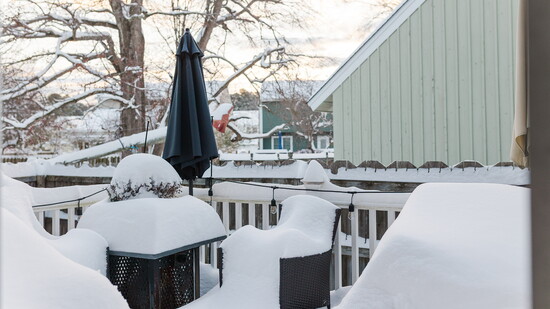
As autumn rolls in across Washington, crisp mornings and colorful leaves remind us that winter is just around the corner. Now is the perfect time to prepare your yard and outdoor spaces so they stay healthy, beautiful, and ready for spring. With a few intentional steps and all-natural solutions, you can protect your garden, furniture, and hardscapes without relying on harsh chemicals.
Tidy Up Before the Rain
Fall debris can trap moisture and create slippery surfaces. Rake leaves, remove dead branches, and clear moss or algae from decks, patios, and walkways. A stiff broom or brush is gentler on wood than a power washer, preventing excess water from seeping into cracks.
A simple white vinegar and water solution works wonders. Spray on dry days, let it sit, then scrub lightly. This all-natural method keeps surfaces safe for kids, pets, and the environment while reducing winter hazards.
Protect Your Furniture Naturally
Winter weather can be tough on outdoor furniture. Even covered pieces absorb moisture, which can cause mildew or rust. For wood furniture, apply natural oils like tung or linseed oil to seal and nourish the material. Metal pieces benefit from a thin coat of beeswax or carnauba wax to prevent corrosion.
Cushions and fabric items should be thoroughly cleaned and completely dry before storage. Sprinkle baking soda to remove odors and moisture before storing in breathable bins or containers.
Shield Plants and Garden Beds
Winterizing plants isn’t just about aesthetics—it’s about survival. Remove spent annuals, trim dead branches, and lightly aerate garden beds. Add a layer of mulch or shredded leaves to insulate roots, retain moisture, and protect soil from erosion.
Check areas prone to pooling water and gently adjust soil to improve drainage. Native plants are especially resilient, tolerating cold and wet conditions without extra intervention. Consider wrapping tender shrubs or potted plants in breathable fabric for extra frost protection.
Think Ahead for Spring
Plan for the next growing season by cleaning tools and storing hoses, making note of any repairs needed on furniture, fencing, or planters. Proper storage and preparation now will make spring maintenance easier and let you enjoy your yard rather than scrambling to fix it.