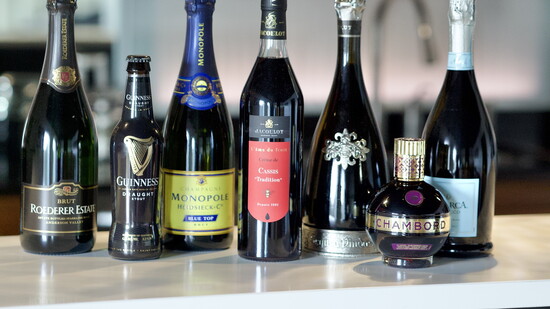
Recently there’s been a resurgence in people learning to make their own cocktails at home.
Many have rediscovered both the fun and value of home mixology as opposed to the expense of going out for drinks and entertainment.
When discussing cocktails, the default assumption is it will be made with traditional spirits like whiskey, vodka, tequila, rum or gin. But what if you want something, lighter…lower in alcohol…more elegant. What if you use (“GASP”) a wine as the base for your new favorite drink?
There are wine drinks that combine wine with fruit juices, like the Sunday brunch favorite, the Mimosa, which mixes sparkling wine with orange juice, or the Bellini, which is sparkling wine and peach nectar, but these aren’t really considered cocktails. The classic definition of a cocktail is a drink recipe that should include spirits in some way.
Here are some true wine based cocktails that combine wines with unexpected additions to create delicious results!
Ice is not used in these drinks, so chilling all the ingredients beforehand is recommended. Feel free to adjust ingredients to suit your taste.
The Kir
There are many variations of the Kir cocktail. The original version is white wine, most often a white Burgundy (Chardonnay) with crème de cassis added. The drink became popular in French cafés in the mid-1800s, but after World War II it was popularized by Felix Kir, the mayor of Dijon in Burgundy who promoted the drink to showcase two of the region's fine products-Burgundy wine and crème de cassis and who became its namesake.
The addition of the cassis liqueur adds a luscious sweet, dark berry flavor to the light, tart apple character of the white wine.
Kir Royale
This upgraded version substitutes Champagne, (or a similar sparkling wine) for the still white wine.
Kir Elegant
This version uses Champagne and replaces crème de cassis with Chambord, a raspberry cordial liqueur. This gives the drink a lighter red berry flavor instead of the darker black berry character of the crème de cassis.
Kir Cardinal
This version replaces white wine with a light red wine (Pinot Noir) mixed with crème de cassis
The Black Velvet
The history of this drink combines a homage to the passing of a British Monarch and the traditional lunch of rivermen working along the docks of the Thames river.
The origin of the drink is attributed to the Brooks’s Club in London in 1861, the day after Queen Victoria’s husband, Prince Albert, died. Adding stout ale to the Champagne changed the light, festive, bubbly wine into a dark, solemn beverage in keeping with the somber, funereal mood in the country. It was often served with fresh raw oysters in a nod to the traditional fare offered along the Thames.
Many pubs and taverns on the waterfront would serve dockworkers a lunch of fresh-water oysters and a pint of Guinness Stout. This repast had enough calories and protein to sustain a working man through the day.
The Black Velvet took the working man’s favorite ale and elevated it with the marriage of Champagne as a drink for the upper class.
These two elements complement each other in surprising ways. The sparkling wine subdues the bitterness of the stout and heightens the rich nutty, dark cocoa flavors in the ale, while the fruitiness and crisp acidity of the wine get a boost, adding harmony and balance.
Pour Champagne or a similar sparkling wine into a glass or flute, filling the glass halfway. Slowly add the chilled stout to fill the glass.
A variation on the recipe uses a Porter ale rather than a Stout ale, resulting in a slightly softer character, while still giving you that dark malty goodness.
Adding these cocktails to your home bartending repertoire offers something for almost every taste, combining wine, spirits and ales to create something refreshingly more than the sum of its parts.
Cheers!